

Everything at a glance
- Keyword research is not optional: it is the starting point of every smart SEO approach.
- Understand user intent so you can create content that genuinely helps people.
- Use both free and paid tools to guide your decisions.
- Tend your keyword map like a garden: prune it back and feed it.
- Turn keyword insights into content that delivers visibility and business value.
You do not need to outsmart Google, you need to understand your audience. Keyword research is not guesswork and it is not gut feeling. It is how you align what you want to say with what people are actually searching for.
Think of it as the most honest focus group feedback in the world: real words, typed by real people, with real intent. Get that right and you do not just get clicks, you solve problems and earn trust.
And here is the crux: according to Semrush (2025), 60.67% of pages ranking in the top 10 are optimised with keywords aligned to clear search intent, not just to raw search volume.
Ready to move from random guesswork to a data-driven SEO strategy? Let us break it all down, step by step.
What exactly are keywords, and why should you care?
Keywords are the quiet heroes of SEO: they are the actual words and phrases people type into Google when they look for answers, research options or try to find your product (or your competitor’s). This is not just jargon. It is a direct line into your audience’s head. If you do not speak their language, you do not show up. It is that simple.
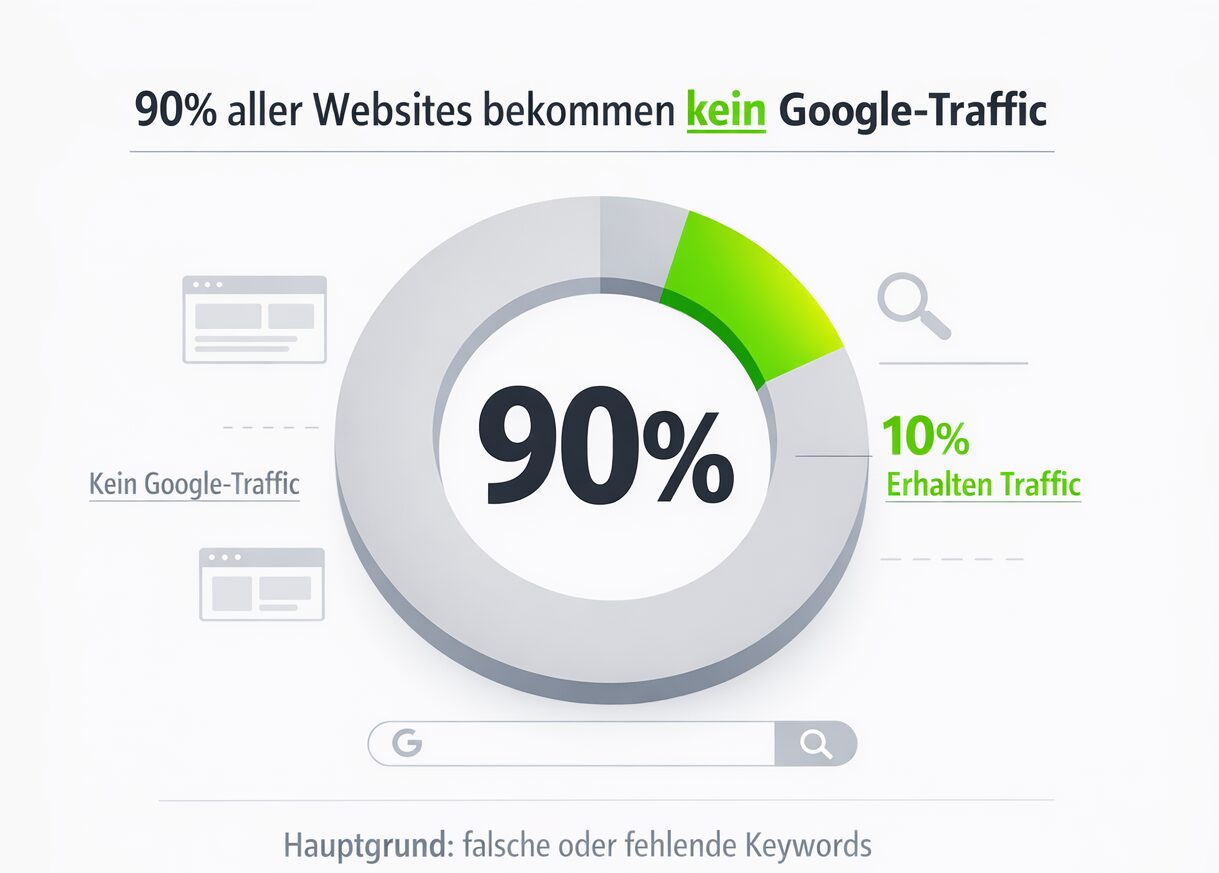
According to Ahrefs (2025), over 90% of all web pages get zero traffic from Google, and one big reason is that they target the wrong keywords, or worse, none at all. (Ahrefs)
What makes a good keyword?
A good keyword is not simply a popular one, it is a strategic one. It hits the sweet spot between what people are searching for and what you actually offer. Think of it as the matchmaking process between your content and user intent. Solid keywords:
- Reflect real user queries and language
- Have a healthy (but realistic) search volume
- Match search intent: do they want to learn, compare or buy?
- Align with your business goals
Pro tip: think about click potential, meaning how likely users are to actually click your result. A SERP full of ads and answer boxes can look good at first glance, but it delivers fewer clicks even when you rank.
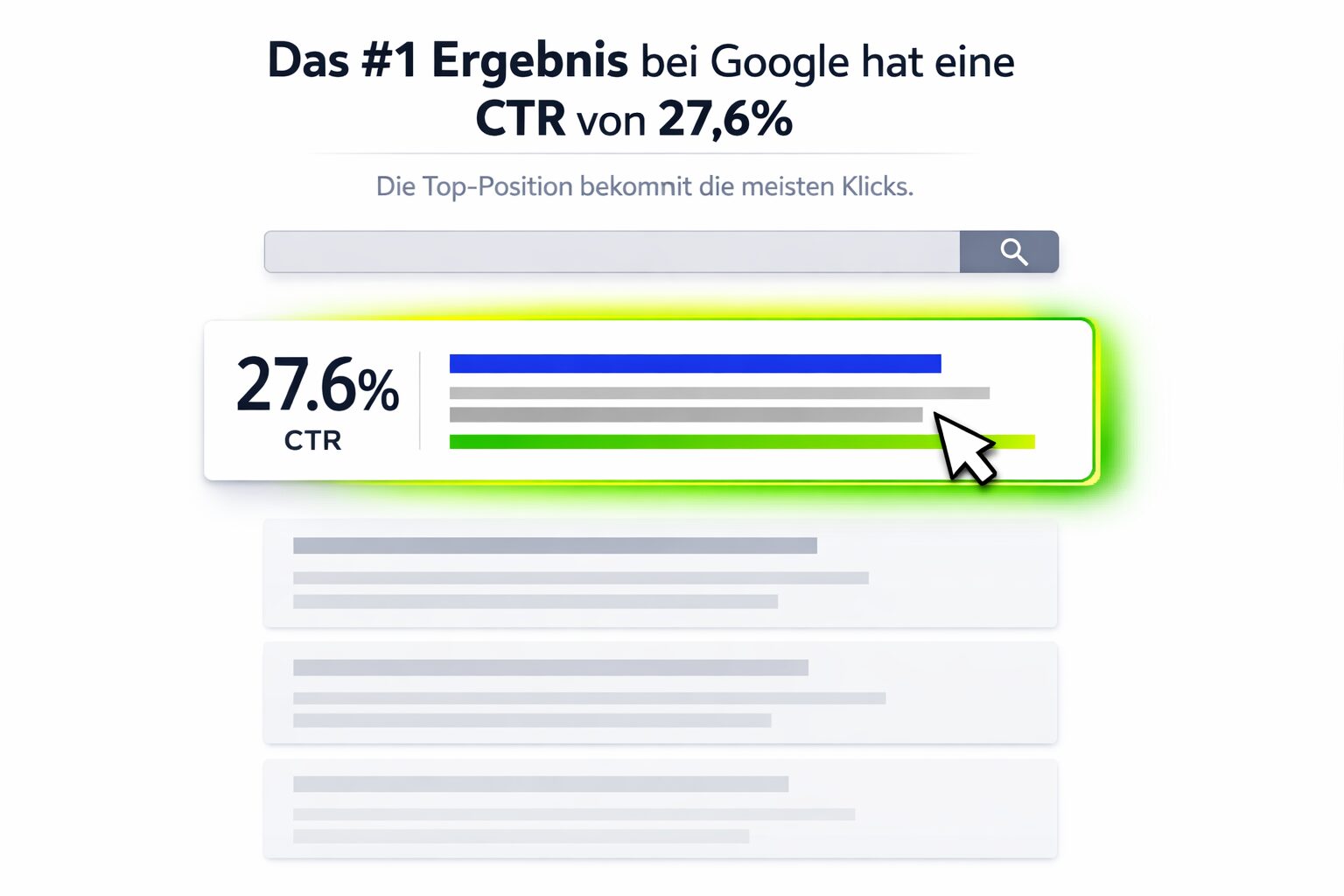
Backlinko’s 2026 SEO stats show that the number one result in Google gets roughly 27.6% of organic clicks, a reminder that ranking position still strongly influences how much traffic potential you have. (Backlinko)
How should you sort and prioritise keywords?
Not all keywords are equal. You need to zoom in on:
- Refinement level: is it vague (“running shoes”) or specific (“best waterproof trail running shoes for winter 2026”)?
- Search volume: high volume sounds tempting, but so does winning the lottery. Better: target keywords you can realistically rank for.
- Search intent: are they at the start of their journey (just browsing) or ready to buy?
According to Semrush’s 2026 Keyword Trends Report, long-tail keywords now account for more than 70% of all search traffic, and they often convert better too.
What types of keywords are there anyway?
Understanding keyword types helps you know which content to create and where it should live:
- Short-tail keywords: 1 to 2 words, very broad, high volume, tough competition (“laptop”)
- Long-tail keywords: 3 or more words, very specific, lower volume, higher intent (“best budget laptop for video editing 2026”)
- Branded keywords: contain a brand name (“Nike running shoes”)
- Geo-specific keywords: target a location (“SEO agency Vienna”)
- Evergreen keywords: relevant all year round (“how to write a blog post”)
- Seasonal keywords: trending or time-sensitive (“Black Friday SEO deals”)
And do not forget the intent-based categories:
- Informational: learning something (“how does SEO work”)
- Navigational: looking for a brand or site (“Ahrefs login”)
- Commercial: comparing options (“best SEO tools”)
- Transactional: ready to buy or act (“buy Ahrefs subscription”)
Once you understand these categories, and filter for them with tools like Ahrefs or Semrush, your SEO strategy becomes sharper, smarter and more effective.
How do you find the right keywords for your content?
Finding the right keywords does not mean simply picking the ones with the highest search volume. It means matching those keywords to real human intent: what your audience thinks, feels and wants to do at each stage of their journey. In this section we show a practical framework that helps you choose keywords that are not just visible, but valuable.
According to Exploding Topics (2025), 91.8% of all search queries contain long-tail keywords, which shows why these specific phrases should be a core part of every keyword strategy. (keyword.com)
What is the AIDA model, and how does it fit keywords?
Think of AIDA as the emotional journey your audience goes through:
- Attention: they do not know you yet, they are curious.
- Interest: they are warming up, perhaps comparing options.
- Desire: they want a solution, they are close to a decision.
- Action: they are ready to convert: buy, sign up, engage.
When you map keywords to these stages, your content stops being random and starts feeling strategic. For example:
- A user searching “what is SEO?” is in the attention stage, they want education.
- Someone typing “best SEO agencies for startups” is closer to desire or action.
AIDA helps you put the right content in front of the right audience at the right time, and that is exactly what separates traffic from meaningful traffic.
| Informational | Navigational | Commercial investigation | Transactional | |
|---|---|---|---|---|
| User intent | Learn / understand | Find a specific site or brand | Compare options | Buy / convert |
| Funnel stage | Top (awareness) | Mid (interest) | Mid to bottom (consideration) | Bottom (decision) |
| Typical modifiers | how, what, why, guide | brand name, login, pricing | best, vs, review, compare | buy, order, subscribe |
| Search volume | High | Medium to low | Medium | Low |
| Conversion rate | Low | Low to medium | High | Very high |
| Best content type | Blog posts, guides | Homepage, brand pages | Comparisons, reviews | Landing and product pages |
| Main SEO value | Traffic & authority | Brand visibility | Influencing decisions | Revenue & leads |
What are informational keywords?
These are the “I just want to know” searches: people who want to learn, explore or understand something.
Key traits:
- Often start with words like how, why, what or when
- High search volume
- Usually early in the decision funnel
Pro tips:
- Perfect for blog posts, guides, explainers and how-to content
- Great for building trust and brand authority, even when they do not convert straight away
- Sometimes appear as featured snippets or quick answers in Google
Example: “How does SEO work?” or “Best keyword research tips for 2026.”
What are navigational keywords?
These are searches where someone already knows what they are looking for, usually a particular brand, tool or page.
Key traits:
- Users already have the intent to navigate
- Often contain brand or service names
- Lower conversion potential: more awareness than action
Pro tips:
- Make sure your homepage, product pages or login pages are optimised for them
- If someone searches for your brand name and does not find you, that is a lost opportunity
What are commercial investigation keywords?
These are the mid-funnel searches: someone knows what they want, but they are comparing options.
Key traits:
- Users are evaluating or comparing
- Often contain words like best, vs., reviews, top, compare
- Intent is high, but not yet transactional
Pro tips:
- These keywords shine in review posts, comparison guides and listicles
- Add structured sections such as pros and cons, pricing tables and case studies
- Use CTAs that guide users to next steps without being pushy
Example: “Semrush vs Ahrefs for SEO agencies.”
What are transactional keywords?
These are the money searches. The ones where users are ready to get their wallet out or take a concrete action.
Key traits:
- Strong buying or conversion intent
- Often contain words like buy, order, subscribe, discount
- Lower volume, but very high conversion potential
Pro tips:
- Use them on landing pages, checkout pages or pricing pages
- Add trust signals: testimonials, guarantees, fast delivery information
- Keep the path to conversion friction-free
Example: “Buy monthly SEO audit tool subscription.”
How do you understand user intent on Google?
Understanding search intent is not just a subtle SEO trick, it is the heart of why people type particular queries into Google in the first place. When you match your content to what users really want to achieve, whether that is learning something, finding a particular site, comparing options or taking action, you do not just get rankings, you get meaningful engagement.
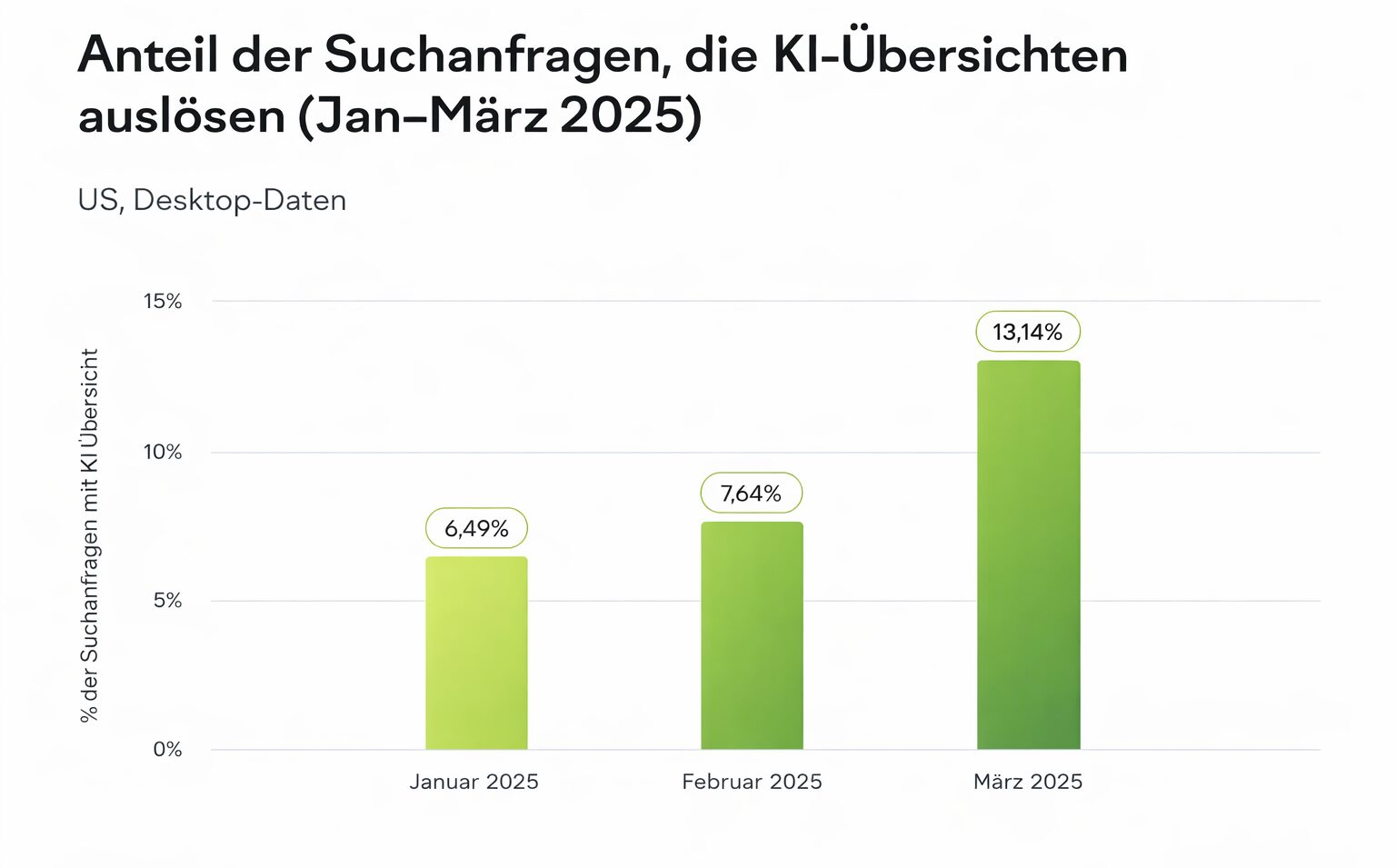
In March 2025, AI Overviews appeared in roughly 13.14% of all Google searches, which shows how search is shifting further towards intent-driven results rather than pure organic ranking. (Semrush)
What does search intent actually mean?
Search intent (also called user intent) is the why behind a search: what someone wants to achieve when they hit enter. Are they looking for information? Do they want to find a particular site? Are they comparing products? Are they ready to buy? Once you know that, you deliver the right content to the right people. In SEO we typically categorise intent into four main buckets:
- Informational: they want to learn something
- Navigational: they are looking for a particular site or brand
- Commercial: they are exploring or comparing options
- Transactional: they are ready to act (buy, sign up, convert)
Matching intent gives Google confidence that your content answers searchers’ questions, and that is a major factor for rankings and conversions.
What is the Google SERP overlap score?
The Google SERP overlap score is a very useful concept for intent analysis. It shows you how similar the top-ranking results are for two keywords. If the same pages rank for both, they probably share the same intent, and you may not need separate content for each keyword. This helps you avoid duplicate content, reduce internal competition and streamline your SEO structure.
Why do buyer personas matter for keywords?
You cannot deliver the right content if you do not know who you are writing for.
Defining your persona means creating a semi-fictional profile of your ideal customer: their goals, motivations, fears and behaviour. This is not guesswork; it is based on real research and data.
When you combine personas with the buyer’s journey (awareness, consideration, decision), you recognise patterns in what people search for at each stage, and that tells you which intent types to target with which content.
- Awareness: informational keywords
- Consideration: commercial / comparison keywords
- Decision: transactional keywords
This alignment ensures your content speaks to exactly what each user type wants at the moment they search.
Which content types fit which intents?
Once you understand search intent and personas, it is easier to choose the format your content should take:
- Informational intent: guides, tutorials, deep-dive blog posts
- Navigational intent: landing pages, homepages, resource pages
- Commercial intent: comparison posts, reviews, product roundups
- Transactional intent: checkout pages, pricing pages, service landing pages
This is not guesswork. Google’s own results pages show you precisely what users expect. If the top results for a term are exclusively product pages, that is a clear signal: transactional content is what users want for that intent.
What is the Ahrefs 3-C search intent model?
Ahrefs’ 3-C model is a strong framework for interpreting search intent and shaping your content:
- Content type: which format ranks? (for example blog, product page, category page)
- Content format: how is the content structured? (guide, listicle, tutorial)
- Content angle: which perspective is taken? (beginner vs expert, comparison vs quick tips)
With this method you can reverse-engineer what Google sees as the best fulfilment of intent, and then build your content to match, not only on keywords but on type, style and depth.
Ahrefs found that its search intent predictions match users’ actual click behaviour roughly 85% of the time, which means frameworks like 3-C do not just sound smart, they actually work.
What are the best keyword tools in 2026?
No single tool can do everything. The best approach is to combine a few:
- Google Search Console: your own website’s data
- Google Keyword Planner: baseline search volume data
- Ahrefs / SEMrush: deep research tools with competitive data
- Ubersuggest / LowFruits: budget-friendly alternatives
- AnswerThePublic: for question-based long-tail ideas
Use these tools to validate your instincts with real data and to uncover new opportunities across search verticals.
What does the complete step-by-step keyword research process look like?
Keyword research is not a random list you pull out of a tool, it is a repeatable system that uncovers real opportunities and tells you exactly which content to build. Think of it as the blueprint for your SEO house: without it you are only guessing where the walls and doors should go.
What are seed keywords?
Seed keywords are your starting point: the broad concepts that define your niche. If you run an SEO agency, your seeds might look like “SEO tools”, “keyword strategy” or “on-page SEO tips”. These are not very specific yet, they are the themes you build out from.
What are focus keywords?
Focus keywords are the primary phrases you really want a page to rank for. They have to match real user intent and be central to the topic your content targets. These are the keywords you optimise your title, headings and core text around.
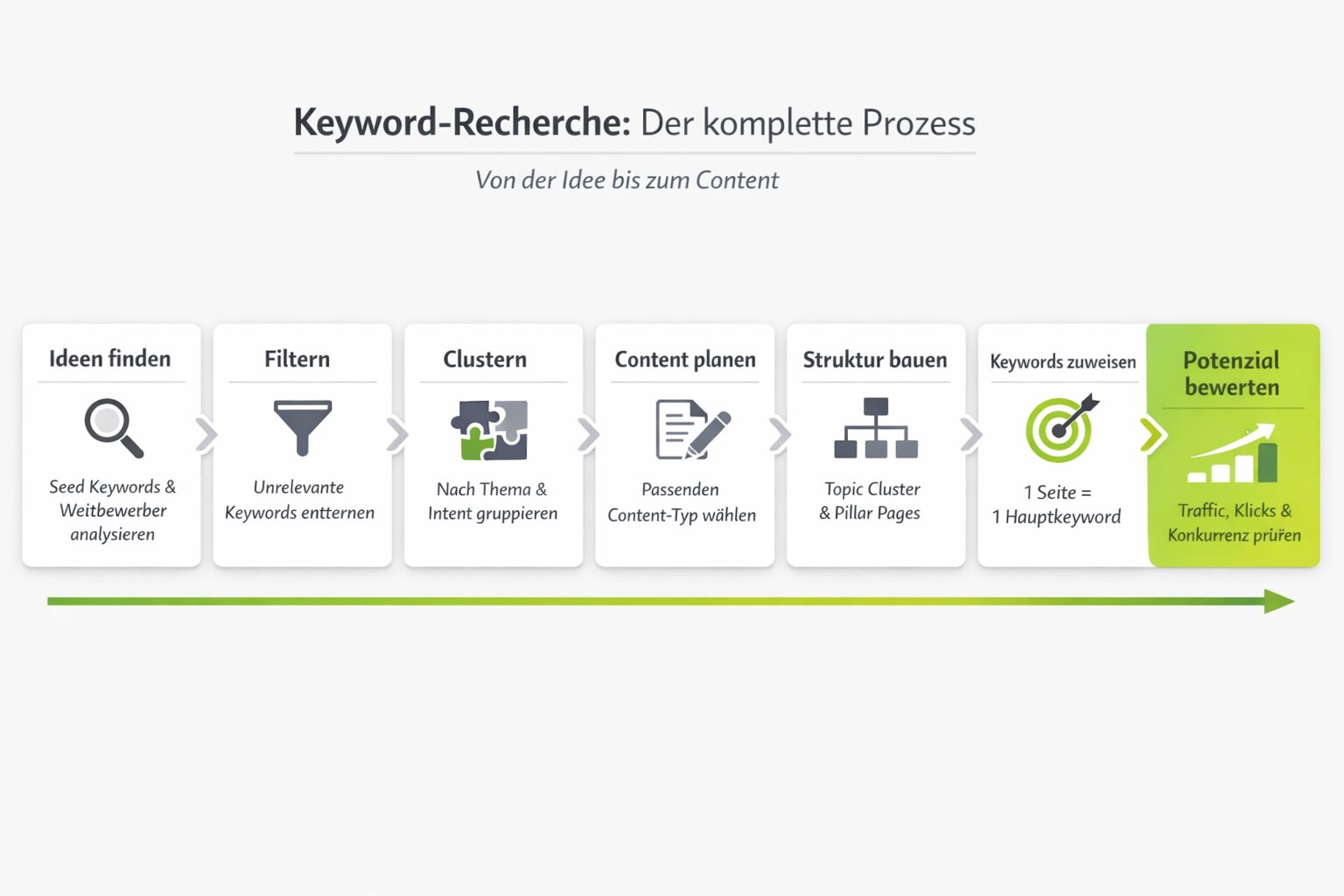
Step 1: how do you come up with keyword ideas?
Traditional brainstorming
Get your team (or your notebook) and list everything your audience might search for. Look at support tickets, FAQs, forum questions and real user language, not just what you think people search for.
Competitor-based research
Go into tools like Ahrefs or Semrush and spy on your competitors:
- Which keywords do they rank for that you do not rank for?
- Where are they getting traffic that you are missing? This “content gap” approach often reveals golden nuggets your own brainstorming missed.
Step 2: how do you sort, group and prioritise keywords?
Which terms should you drop?
If a keyword has:
- Zero real volume
- No relevance to your business …then throw it out. Keeping it only clutters your strategy.
How do you group keywords?
Cluster similar keywords by topic or intent. This helps you build pillar pages and supporting content instead of dozens of small pages competing against each other.
How do you assess difficulty?
Keyword difficulty scores in tools estimate how hard it is to rank. But do not rely on them blindly, check:
- Domain authority of the competitors
- How many backlinks the top pages have
- Content quality of the current leaders
Step 3: how do you turn keywords into content?
Choosing the content type
Match keyword intent with the right content format:
- Informational to blog posts or guides
- Commercial to comparison articles
- Transactional to landing or product pages
Quick example
Keyword: “Best SEO tools for beginners”
Best content type? A blog post that compares tools, lists pros and cons and includes clear calls to action.
Step 4: how do keywords shape your website structure?
Good structure is not optional, it shows Google (and people) how your content fits together.
Planning topic clusters
Pick a large theme (for example “SEO strategy”) and build related pages (keyword research, link building, technical SEO) that all link back to this main pillar. This topical authority helps you rank for many related terms.
Step 5: how do you assign keywords to content?
Match every keyword with the best possible page. If two keywords could target the same page intent, group them so you avoid keyword cannibalisation (when your own pages compete against each other).
Step 6: how do you measure keyword opportunity?
Before you invest time in writing, score keywords with tools like Ahrefs:
- Click potential: do users actually click your result?
- Search volume: how many people are searching?
- Competition: how hard is the ranking?
- SERP features: do featured snippets or ads dominate?
This helps you decide whether a keyword is worth it or better left for a later round.
What comes after keyword research? (Hint: it is content)
You have done the hard part. Now it is time to:
- Build an editorial calendar out of keyword clusters
- Assign each keyword to a page type
- Create optimised, intent-matching content
- Use internal linking to connect topic clusters
- Measure performance, tweak and re-optimise
Bonus tip
Use your keyword research to update old content. Refreshing outdated posts that hold high-potential keywords can push rankings without you having to create anything new.
Ready for more revenue?
Book a free SEO and GEO audit

Find out in a free call how much revenue your website is leaving on the table, with no obligation and no agency waffle.