


Everything at a glance
- Backlinks are votes of trust: they signal authority and influence rankings.
- Quality beats quantity: focus on relevance, placement and the authority of the source.
- Strategies need processes: use the right tools, standardise your workflows and stay compliant.
- Link building is strategic, not transactional: build relationships, publish valuable content and earn links.
- Track the right KPIs: referring domains, authority, referral traffic and conversions drive measurable business results.
Consider this: more than 96 % of web pages never receive a single visit from Google, and most of them are missing something simple: backlinks. That is not just a number, it is a signal. At a time when visibility is your most valuable asset, backlinks are not merely links. They are your credibility, your authority and your gateway to being found.
Backlinks are not about outsmarting algorithms. They are about building trust, connecting your content to the web and making sure the right people find you exactly when they are searching. Whether you steer SEO strategy at a global company or need to bring stakeholders on board, backlinks give you the edge.
And the best part? You earn them by creating value, so the people who find you are already open and ready. Here is how it is done.
What is a backlink?
A backlink is an inbound link from an external website to your own website.
👉 Example: if another site references your domain in an article and sets a clickable link, that is a backlink for you.
Backlinks matter particularly in search engine optimisation (SEO), because Google and other search engines treat them like a recommendation or a trust signal. The more high-quality, topically relevant pages link to you, the better your chances of appearing further up in the search results.
There are two types:
-
DoFollow backlinks pass on link power (SEO relevance).
-
NoFollow backlinks are interesting for traffic, but pass on little or no SEO relevance.
Link building is where the magic happens. It is the part of SEO in which you:
- find the right websites that fit your topic,
- create content that is worth linking to,
- and pitch it so that people want to link back to you.
Sounds like work? It is. But the truth is this: off-page SEO without backlinks is like a shop in the middle of the desert, nobody knows you exist.
Backlinks connect you to the rest of the web, help your pages climb higher, get noticed faster and stay competitive over the long run.
Internal vs. external links
- Internal links connect pages within your own website, help with navigation and distribute SEO value across your site.
- External links, also called backlinks, are votes of confidence from outside your domain, and they carry considerably more weight in search algorithms. For companies, internal links support the structure, while backlinks build visibility and reputation.
| Aspect | Internal links | External links (backlinks) |
|---|---|---|
| Definition | Same domain | Other domains |
| Purpose | Navigation/structure | Authority/visibility |
| SEO impact | Moderate | High |
| Control | Full | Limited |
| How to obtain | Edit in the CMS | PR/content/outreach |
| Risk | Low (UX bloat) | Medium (spam/penalties) |
How search engines use backlinks
Search engines see backlinks as more than signals, they are the map that guides crawlers through the web. Think of backlinks as trusted paths: they help bots discover your content and decide how much it deserves a prominent placement.
Links act like recommendations. When high-quality, relevant pages point at you, search engines recognise your website as trustworthy and worth attention.
That is why every backlink counts, not only as a vote, but as a direction that paves the way for search engines to find your pages, assess them and move them up the rankings.
Why this matters for you
- Backlinks help search engines crawl and index your website. Every link acts like a signpost for bots so that your content is discovered faster and more easily.
- It is not only about being seen, links pass on authority. Backlinks from reputable domains pass on what is known as link equity, which increases the credibility of your page in Google’s eyes.
Key terms
| Term | Short definition | Important notes |
|---|---|---|
| Link building | Earning links from other sites | PR/outreach plus link-worthy content; builds credibility and visibility |
| Domain Authority (DA) | Third-party score (1 to 100) for estimating domain strength | Not a Google signal; DR (Ahrefs), AS (SEMrush), TF/CF (Majestic); use it for benchmarking |
| Link velocity | The pace at which backlinks grow over time | Steady growth = healthy; sudden peaks = risky/manipulative |
| Link juice (link equity) | Authority passed on through links | High-authority pages pass on more; many outbound links dilute it; in the content > footer/sidebar |
What is link building?
Link building is a central part of off-page SEO and covers all the measures you use to deliberately obtain backlinks from other websites to your own site.
Why is link building important?
Google treats backlinks like recommendations. The more high-quality and topically suitable pages link to you, the greater your authority and the better your ranking chances.
Typical link building strategies
- Writing guest posts: you supply content for another site and receive a backlink in return.
- Directory entries in reputable industry or company directories.
- Press and PR work: mentions in online media.
- Cooperations and partnerships: mutual recommendations between relevant projects.
- Content marketing: high-quality content (for example studies, infographics, guides) that gets linked to naturally.
The goal
Not many links, but high-quality links from relevant and trustworthy sources.
What is Domain Authority?
Domain Authority (DA) is a score (from 1 to 100) that estimates how strong the general ranking potential of a site is. Originally defined by Moz, it is a metric that takes referring domains, content structure and general link quality into account. Think of it as the SEO reputation score of your site.
Different tools use different names for similar metrics:
- Ahrefs: Domain Rating (DR)
- SEMrush: Authority Score (AS)
- Moz: Domain Authority (DA)
- Majestic: Trust Flow and Citation Flow
One thing up front: these values are useful benchmarks, for comparing yourself with competitors, for tracking and for prioritising outreach. But: Google does not use DA or other third-party metrics directly in its algorithms. These scores are approximations for SEOs, not direct ranking signals.
Link velocity
Link velocity is all about timing, it measures how fast your site gains (or loses) backlinks. Think of it as links per month or referring domains per month.
Search engines pay attention to this pace. If backlinks come in steadily, it looks like healthy growth. A sudden spike can look suspicious, as if somebody were gaming the system. So growing naturally rather than in bursts is the way to go.
Link juice
Link juice (also called link equity) is the SEO value or authority that is passed on through links from one page to another.
This is what determines how much value is shared:
- Authority of the linking page: more credible pages pass on more power.
- Number of outbound links: the more links on a page, the thinner the juice is spread.
- Position of the link: placement in the main content counts for more than links in the footer or the sidebar.
Smart management of external and internal links makes sure that your most important pages get the boost they need.
Why are backlinks important for SEO?
Backlinks remain a central ranking lever, even as search keeps evolving. Their ability to shift visibility, signal trust and outperform competitors is unmatched, above all in markets where credibility is everything.
Backlinks as a ranking factor
Think of backlinks as votes, but not all votes are equal. In a massive study of 11.8 million Google results, Backlinko found that the number 1 position had 3.8 times more backlinks on average than positions 2 to 10. (Backlinko)
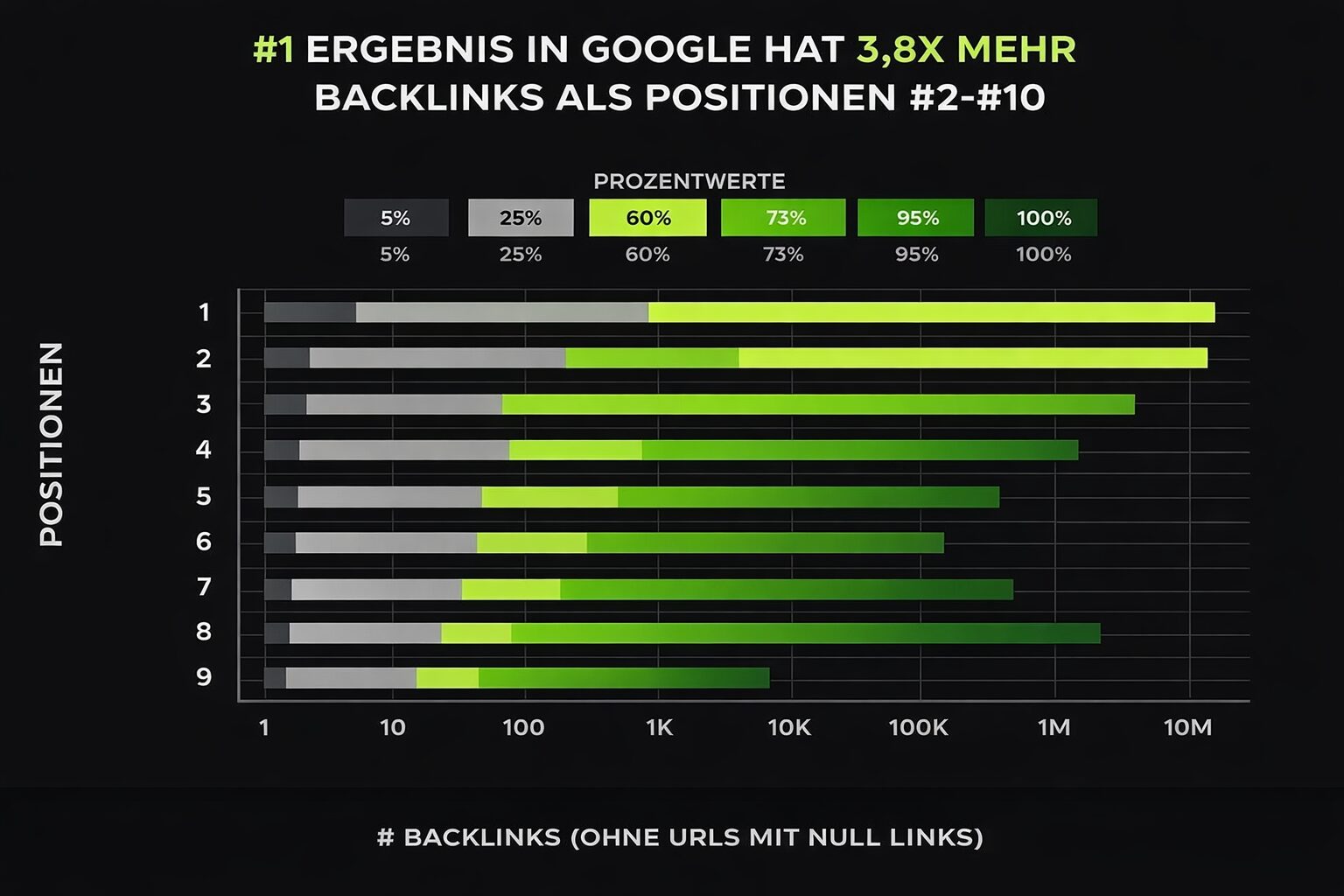
That is no coincidence, it is a strong indication that backlinks play a big role in climbing the SERPs. In enterprise-level competition, a few authoritative links can make a measurable difference.
Influence on domain authority and trust
The tools do not lie: domains with higher authority tend to rank better. Backlinko’s data shows that overall link authority, measured with Ahrefs’ Domain Rating, correlates more strongly with top rankings than many other on-page factors. (backlinko)
In short: every credible link you earn does not only strengthen one page, it lifts the general trust in your domain in the eyes of search engines.
The role of backlinks in the Google algorithm
Backlinks are also about diversity and relevance. Backlinko’s breakdown of ranking factors rates the number of linking root domains as one of the most influential indicators of a page’s performance. (backlinko)
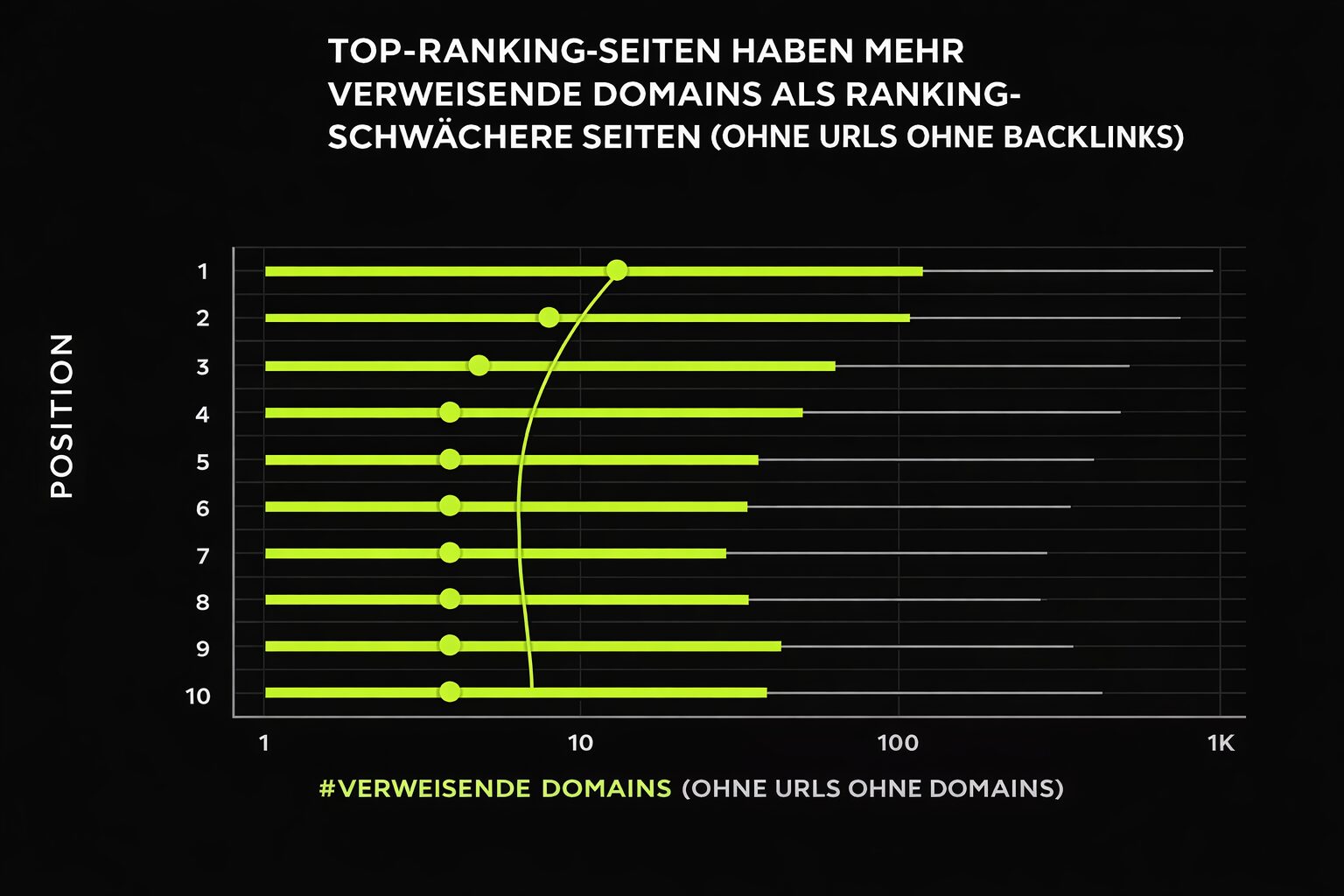
Google registers when many different, credible sites link to you. That breadth signals authority and content that deserves to rank.
What makes a good (or bad) backlink?
In SEO, not all backlinks are worth the same. The difference between a link that strengthens your credibility and one that damages it can decide between ranking success and a penalty.
High-quality vs. low-quality links
A single backlink from a trustworthy, topically suitable site can outperform a dozen low-quality links. A careful, relevant link is therefore often stronger than a scattergun approach.
Relevance, authority and natural placement
Three things define a strong backlink:
- Relevance: search engines reward links from topically related pages.
- Authority: domains with high authority pass on considerably more ranking juice.
- Placement: links embedded naturally in the main content carry more SEO weight than those in footers or sidebars.
If you hit these points, you achieve more impact without risking your integrity.
Toxic links and the risk of penalties
Tempting as it is, buying or scraping links from irrelevant or spammy sites is a major warning sign. This kind of link behaviour has repeatedly been penalised by Google updates such as Penguin. Despite the apparent shortcuts, it usually does not pay off.
How to get backlinks
Effective link building does not mean chasing volume, it means patience, high standards and assets that are worth citing. Treat it like good wine: do not rush it, do not buy links that are too good to be true, and invest in content that people genuinely want to reference. Organic search works over time, so think long term.
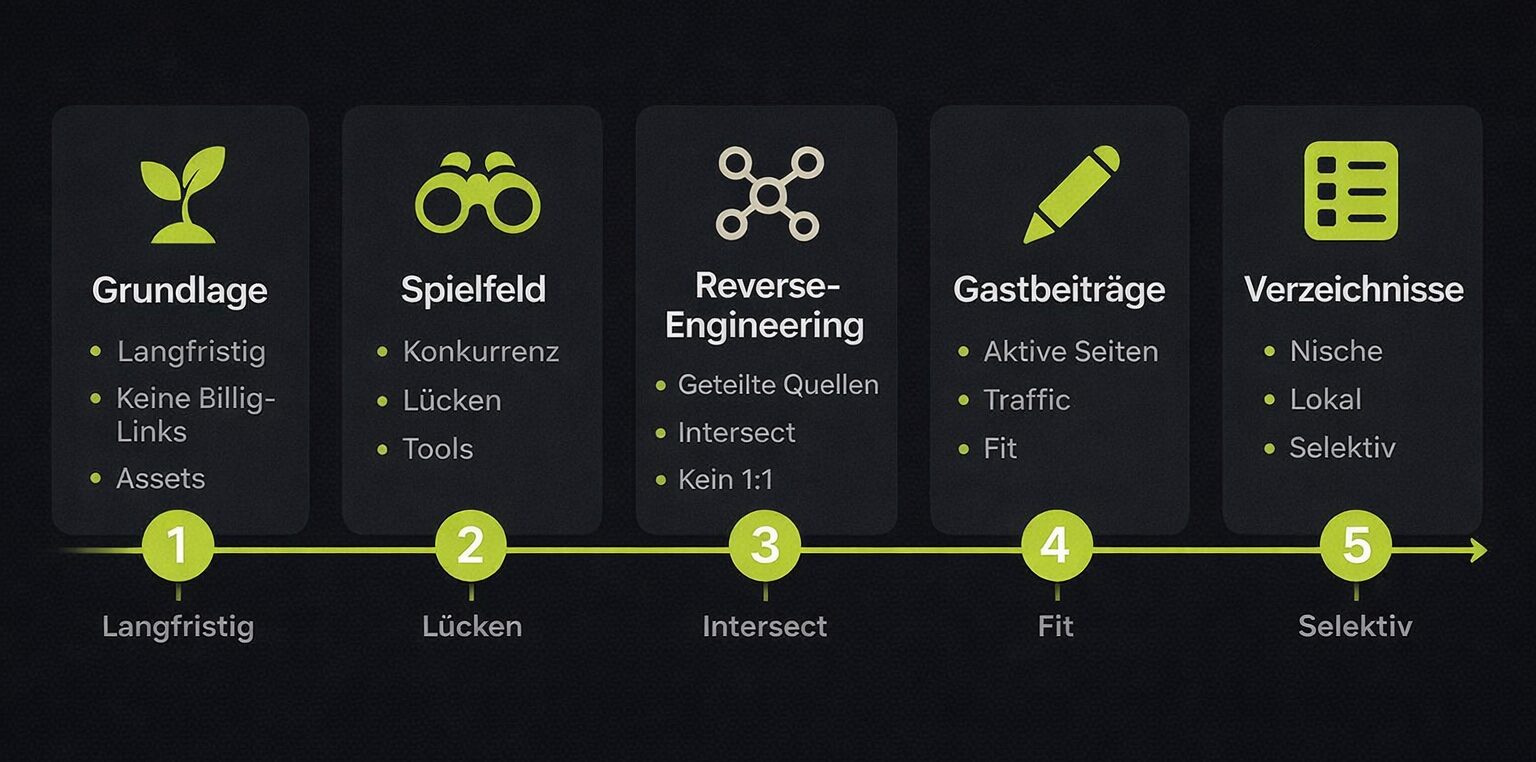
1) Lay the foundation (mindset plus assets)
- Think long term: quality links take time; avoid cheap offers and private networks.
- Create linkable assets: original data, case studies, tools or guides that others naturally cite and link to.
2) Understand the playing field (use backlink checkers)
- Why tools matter: you cannot target what you cannot see; tools show competitors’ links, gaps and potential.
- Best in class (paid): Ahrefs, Semrush, Majestic, Moz, with faster crawls, deeper data and real time savings for serious work.
- Free, but limited: OpenLinkProfiler, Seobility’s checker, Moz Link Explorer, Majestic, Semrush (free tiers). Expect limits and partial data.
3) Reverse engineer competitors (clique mapping)
- What you should learn: who links to them, how many links they have earned and where your gaps are.
- Prioritise shared sources: domains that link to two or more top competitors signal a strong topical fit, put them right at the top of the list.
- Useful features: Clique Hunter (Majestic), Backlink Gap (Semrush), Link Intersect (Ahrefs) to find overlapping prospects.
- Important: do not copy one to one, use the insights for better, unique pitches and content.
4) Find real guest post opportunities (search footprints)
- How to search: keyword + “guest post”, keyword + “become a contributor”, keyword + “author guidelines”, keyword + “submit an article”.
- Quality checks before pitching: a current publishing history, real traffic, comments or shares allowed, and signs that articles actually get shared.
- Context beats score: domain metrics vary by niche; smaller, reputable blogs can grow, so do not get hung up on DR alone.
5) Build directory entries that actually help
- Start with the basics: niche and industry directories that your target group trusts.
- Add local listings: if geography matters for your business.
- Choose general directories carefully: preferably established ones with strong authority (for example DR around 50+).
- The role of directories: a visibility baseline for new sites, not your main link strategy.
Expert tip:
Building backlinks is by far the biggest challenge in the whole of SEO. Without experience you risk struggling, or in the worst case doing lasting damage to your site with spam links. It is therefore better to rely on an experienced SEO agency that supports you professionally.
Building and scaling backlinks: 3 proven routes
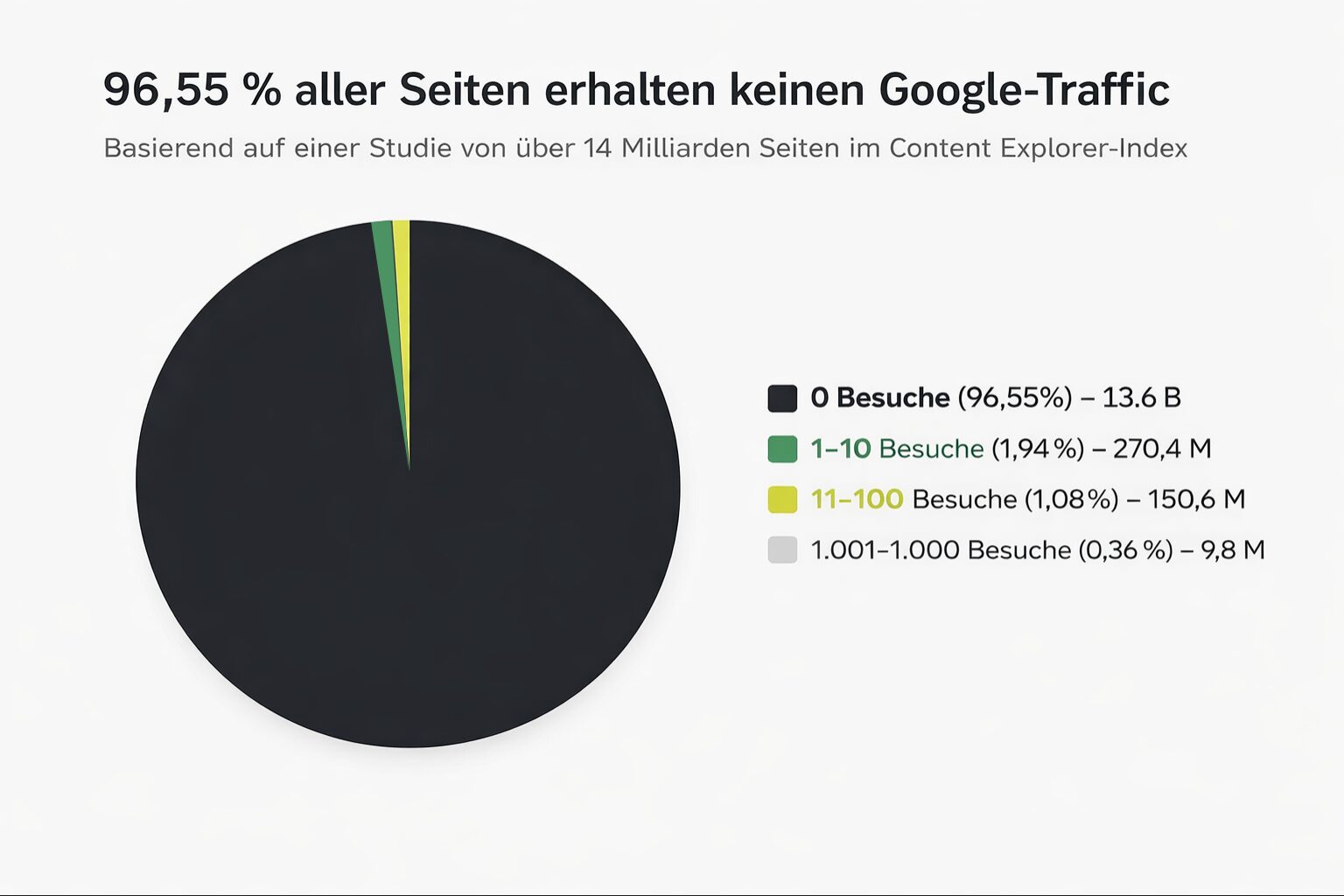
Here is the simple truth: backlinks grow when your content earns them. For sustainable growth, quality beats hacks. One revealing data point for your planning: 96.55 % of pages receive no organic traffic from Google, so earning real links is one of the biggest levers for getting into the remaining 3.45 %. (Ahrefs)
Generate backlinks with linkable assets
Create something that people naturally want to reference: a quick calculator, a checklist, a visual explanation or a data round-up. Choose a topic your target group searches for, gather reliable sources and present the best insights clearly and in a scannable way (tables, charts or a small tool).
Make it usable, not just nice to have. Publish it, give it a descriptive title and add an embed or download option so that others can cite you easily. The more practical and visual your asset, the more likely it is to earn links over time.
Create and distribute the best content
Every piece should pass a simple test: would you send it to a friend or a colleague because it genuinely helps? If yes, publish it, then promote it.
Share it on social media, include it in newsletters and let relevant creators or journalists know (briefly and politely) why it adds value for their audience.
Formats that often work: step-by-step guides on a specific problem, mini case studies with real numbers and short lists that can be implemented today. Great content plus thoughtful outreach beats “more content” every time.
Find potential backlinks by rediscovering your own content online
You may already be mentioned, just without a link. Search for your brand name, product names or unique phrases from your articles.
If you find an unlinked mention or someone using your image or chart, write a friendly message: say thank you and ask for a link so that readers can find the original source.
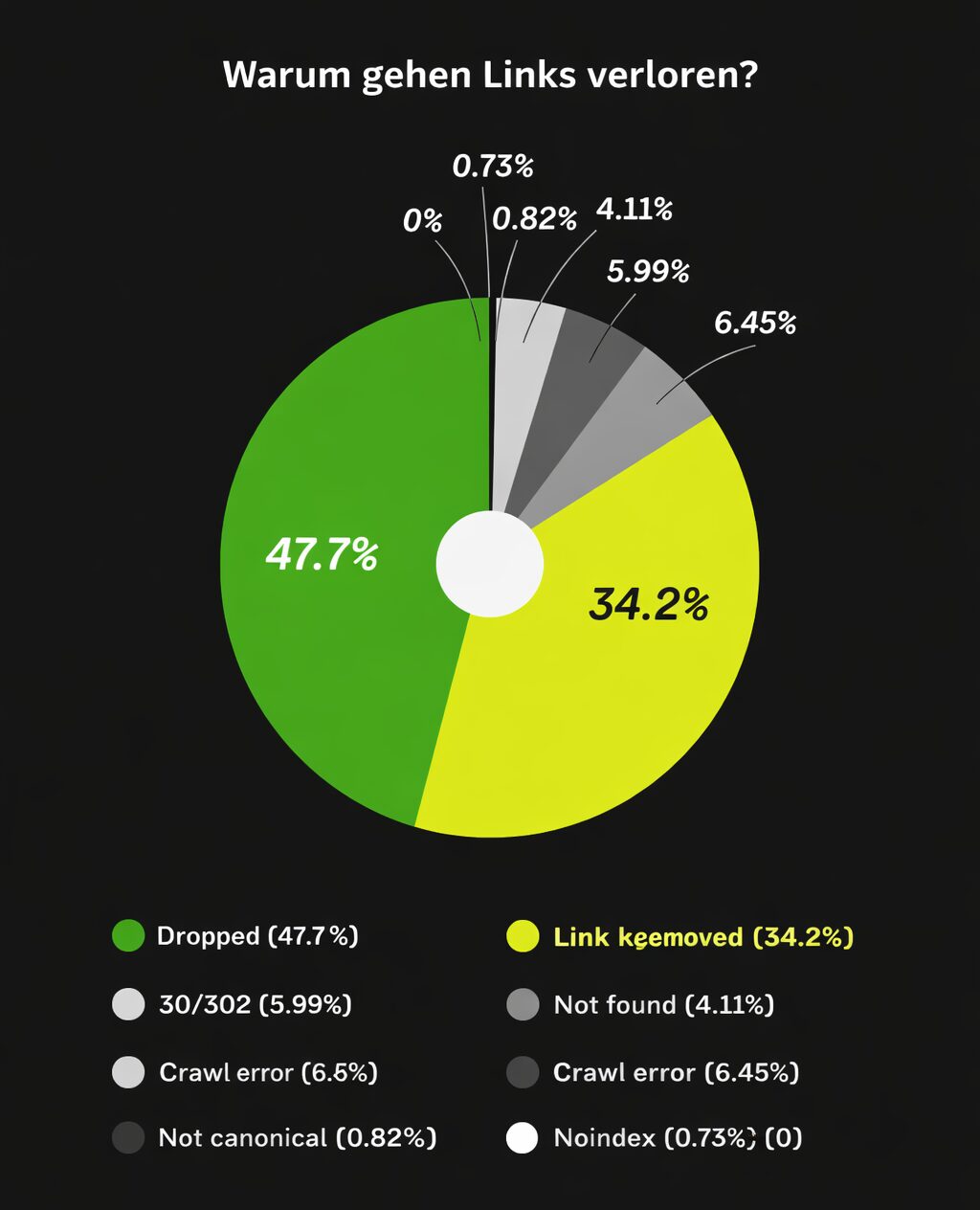
Also keep an eye on lost links; over time links break or pages disappear, and a large share of the links on the web decay. Recovering them is low effort with high impact. (Ahrefs)
Stay human, useful and consistent. That is how you build links that last.
Generating backlinks through guest post outreach
Guest posts are not dead, just more selective. If you pick the right websites and deliver real value, guest articles lift brand awareness, bring referral traffic and earn high-quality links that help you rank. Keep this in mind when planning: only around 8.5 % of outreach emails receive a reply, so quality, relevance and follow-up matter more than ever. (Backlinko)
Landing page research: finding sites worth publishing on
Backlinks should help, not harm. Create a shortlist of publishers that fit your topic, your target group and your goals. Prioritise sites that are active, trustworthy and indexed, with content that is genuinely read and shared. Ask yourself: “Would my ideal readership find this here?” If yes, keep it. If it looks like a link farm or the posts feel thin, cross it off.
Assessing a website quickly (relevance, authority, links, traffic)
- Relevance: the closer the topical match, the better your link ages. An analytics tip on a cooking blog rarely helps; on a marketing blog it does.
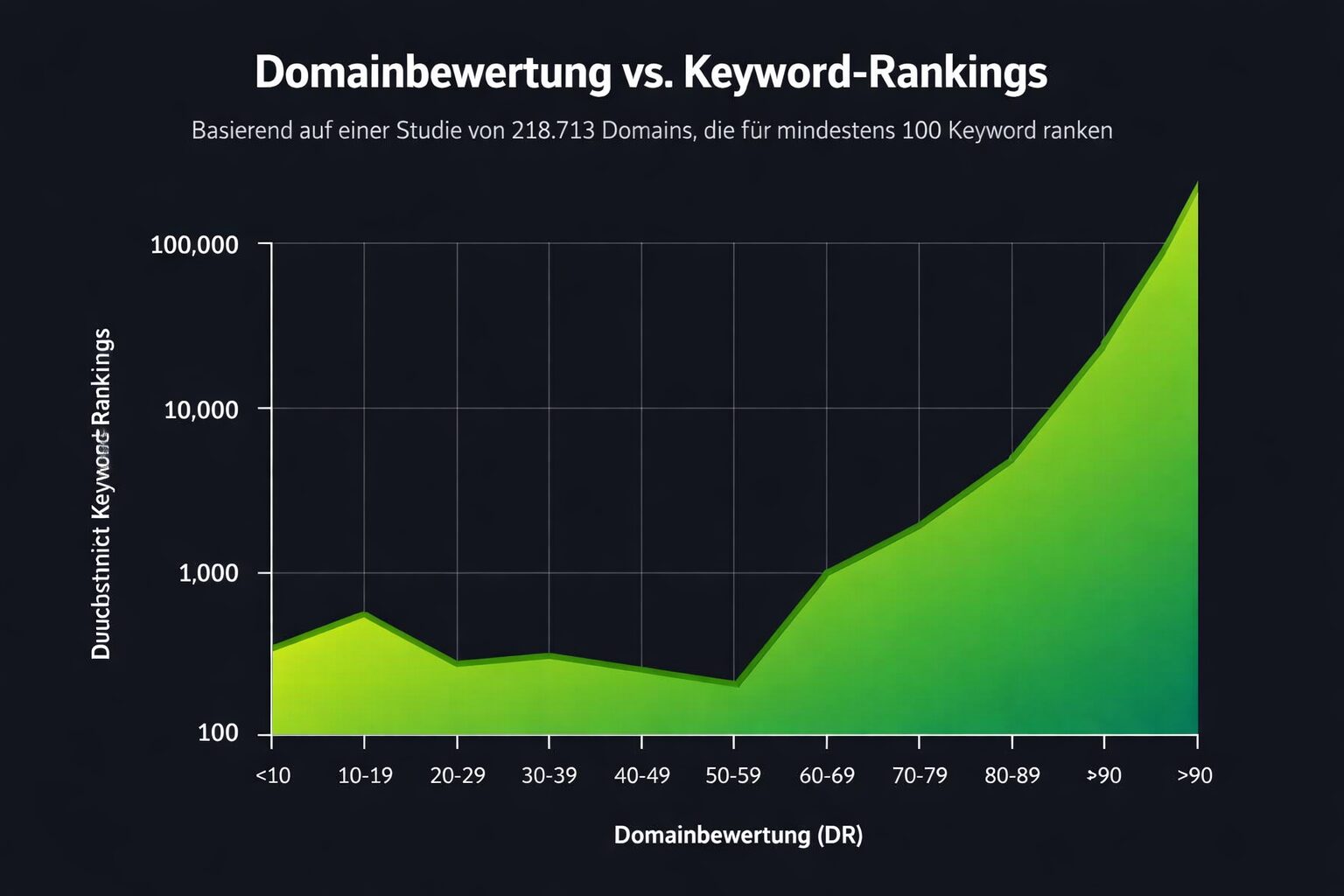
- Authority: a quick check (for example Domain Rating/DR). DR is not a Google value, but it correlates with the number of keywords a site ranks for, which makes it a practical proxy for comparisons. (Ahrefs)
- Outbound links: skim recent posts. Do the links look editorial and natural, or paid and stuffed? Trust your gut; if it feels spammy, move on.
- Traffic and indexing: make sure the site has real visits and that its pages are in the Google index. No index, no benefit.
A quick rule: the harder it is to earn a link on a site (editorial standards, a real audience, its own voice), the more valuable it usually is.
Different types of blogs (and what that means for you)
- Smaller/newer blogs: often open to pitches if your topic is closely relevant and helpful.
- Professional/established blogs: expect a strong angle, data and clean writing.
- Large personal brands or media sites: relationships count; you often need a warm introduction or outstanding expertise.
How you actually get published there
Have a clear angle, write something worth reading and build real relationships. A strong pitch shows that you understand their audience and fill a gap on the site. Three essentials:
- a topic they do not have yet (or a clearly better version),
- a short outline with takeaways, and
- a short line on why you are credible.
Writing outreach emails that get opened (4 practical steps)
Cold emails that get opened are not luck, they are relevance and timing. Keep it simple: warm up the relationship, reach the right person, lead with real value and follow up politely. Here is a compact playbook you can repeat.
- Before you email, become visible first: react to a few posts, share something you genuinely liked or leave a thoughtful comment. A familiar name gets more opens than a stranger in the inbox. Do a five-minute warm-up the day before: 1 to 2 reactions, 1 short comment, 1 share with a sentence on why it resonated.
- Find the right contact person: avoid generic “info@” forms where possible. Find the editor or section lead, or the author of a fitting article, and then the email address. Check the imprint, LinkedIn, the X bio, or use common formats (firstname@, first.last@). Personalise with a line that shows you have read their work (“Your take on X, especially the point about Y, was strong.”).
- First contact: lead with value: start with something useful: a missing angle, a broken link (plus a better source) or a fresh data point from your piece. Stay under 120 to 150 words, friendly and concrete, with one clear request. Example subject lines: “Quick fix for your [article]” or “New data on [topic] you can cite.” Make the next step easy: “If it helps, I can send the stat table or a two-line summary.”
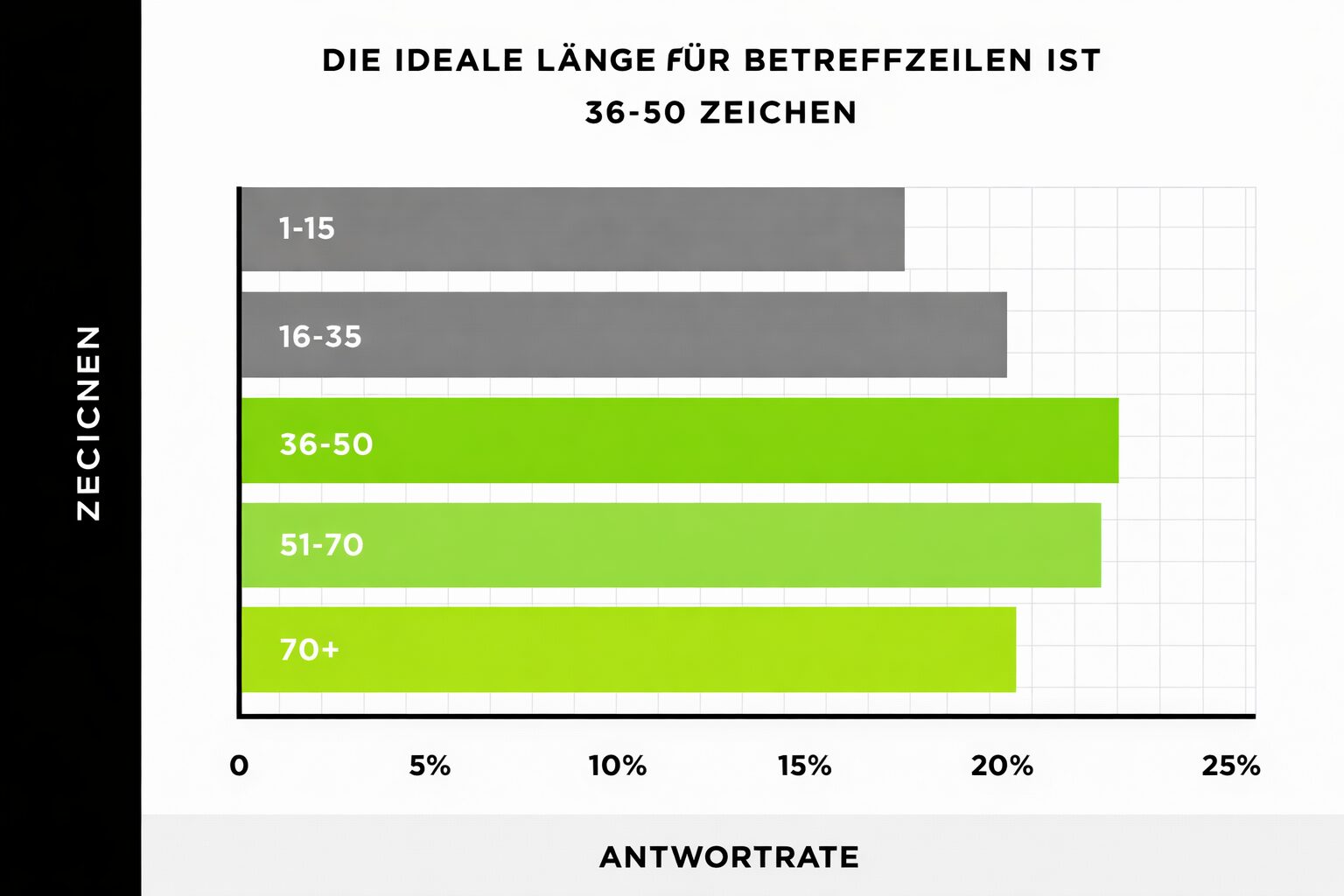
- Personalise and follow up once or twice: a tailored note beats mass mailing. In a large study, longer, specific subject lines achieved a 24.6 % higher average response rate, and polite follow-ups roughly doubled replies. (Backlinko) Use a simple cadence, day 3 and day 7, and keep the bumps short (“Getting in touch in case this is useful, happy to send the data or a two-line summary.”). Then stop. Respect pays off for future pitches.
Making your content ten times better (so editors want it)
Editorial teams say yes to pieces that are clearly better than what they already have. Aim for “I would bookmark that”. What works well:
- Clear visuals (diagrams, before-and-after screenshots)
- Checklists and templates that can be reused
- Light calculators or scripts that save time
- Your own research or a small survey with clean charts
Remember: the web is crowded, 96.55 % of pages receive no organic traffic. Exceptional content plus a solid link from a good publisher helps you live in the remaining 3.45 %. (Ahrefs)
Bonus: placing the backlink correctly
Ask for a contextual link in the body text, where it naturally helps the readership, with clear, human anchor text (no spammy exact matches).
Prefer normal follow links for SEO value and avoid anything that looks like a link scheme. Google’s spam policies name manipulative linking, and algorithm components such as Penguin are built to counter it.
That is the plan: choose strong sites, pitch a real idea, write something genuinely useful and make it easy for editors to say yes. One high-quality guest article in the right place can outperform a dozen forgettable links.
When do backlinks take effect?
You have started link building and some sites already link to you, excellent. The real question is when you will feel the effect. There is no single clock that applies to every site.
Links work like recommendations with a compound interest effect: if you consistently earn relevant, trustworthy links, rankings often move from “invisible” to “noticed” and then from “noticed” to “preferred”.
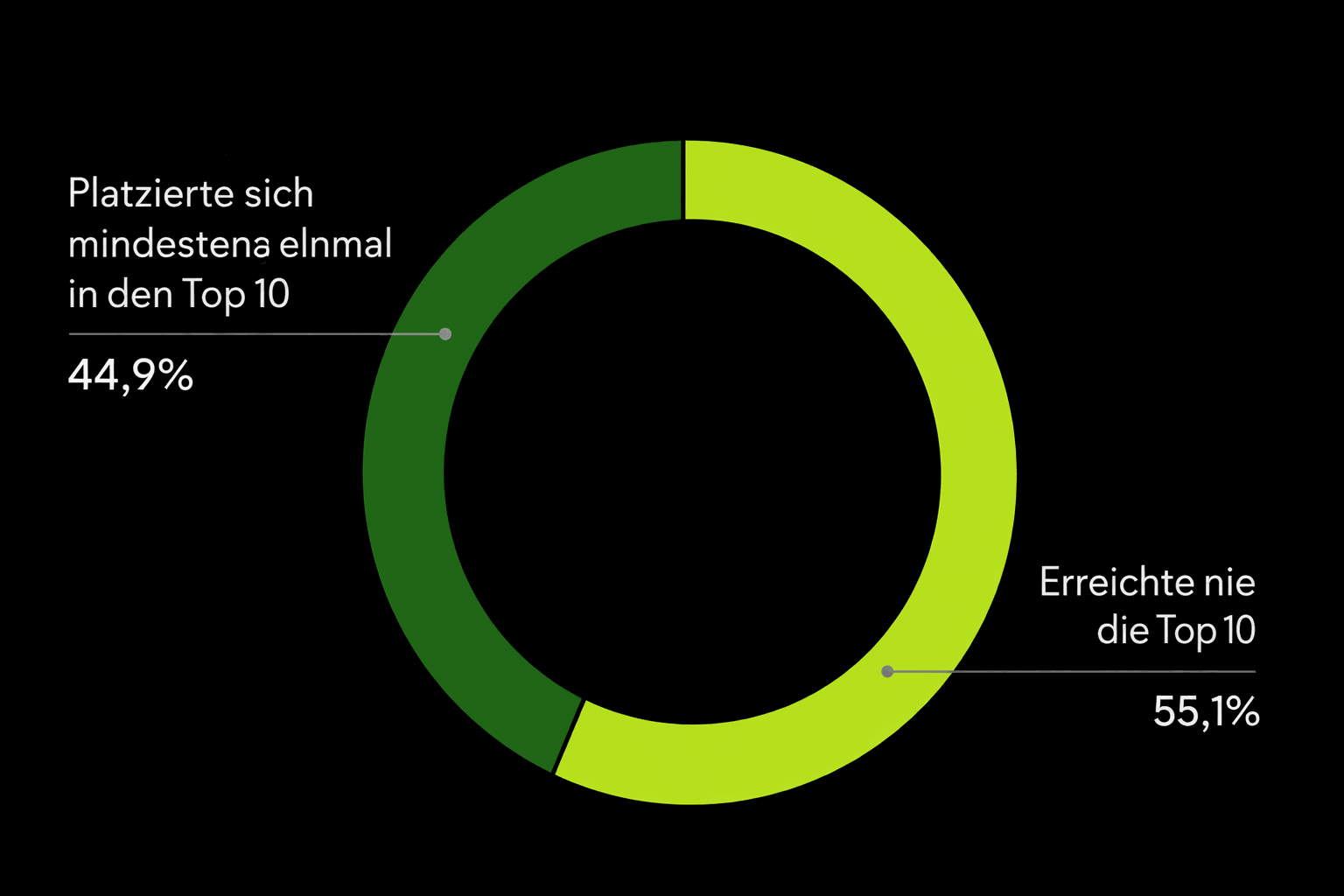
A useful benchmark from Semrush: across a year of tracking, 55.1 % of domains without backlinks never reached page 1, a clear signal that links are a key ingredient for breaking through.
Backlinks do not pay off overnight, and that is normal. Older, established pages often hold the top spots, so it takes steady momentum to join them.
Ahrefs‘ large-scale analysis found that 72.9 % of the top 10 pages on Google are older than three years (and the average number 1 page is around 5 years old), which explains why improvements come step by step, and then stay.
What influences the timing?
- Link quality and fit: topically suitable, editorial links from trustworthy sites move more than generic ones.
- Your starting point: pages far away from page 1 can jump faster at first; closing the last few places takes longer.
- Competition: if rivals have deeper, cleaner link profiles, you need several hits (better content plus better links) to overtake them.
- Consistency: earn links at a natural pace; avoid sudden, unnatural peaks.
- Trust and completeness: clear authorship, sources, helpful content and clean technical SEO help search engines accept your new links faster.
Conclusion: expect weeks until the first movements and months until the full effect. Focus on quality, stay consistent and protect what you gain. Momentum in link building grows stronger over time.
Ready for more revenue?
Book a free SEO and GEO audit

Find out in a free call how much revenue your website is leaving on the table, with no obligation and no agency waffle.