


Everything at a glance
- Link building means earning editorial citations from reputable, topically relevant sites: quality, context and a diverse set of referring domains beat sheer volume.
- Use white-hat link building with linkable assets (statistics hubs, tools, guides), natural anchors and correct sponsored/UGC attributes.
- Concentrate your link building tactics on 3 to 5 repeatable plays: guest posts, digital PR/newsjacking, resource pages, broken link fixes, HARO, link reclamation and partnerships.
- Choose your risk profile: defensive link building (steady, diverse, brand-safe) compounds; offensive approaches are fast but fragile. Use disavow and removal mainly after spam warnings and top up with high-quality links.
- Measure link building by results: growth in referring domains, non-brand clicks on promoted pages, referral quality, link velocity and anchor mix, and recovery of lost links; use GSC to connect placements with results, and treat DR/DA only as rough guides.
Link building is the word of mouth of the internet. When the right sites recommend you, Google listens, people click, and your brand gains trust. In 2025 search has three front doors, AI Overviews, chat answers and classic results, and the one signal that travels cleanly through all three is trust. Link building is how you earn it.
Link building is not a hack or a shortcut. It is about publishing pages that editors want to cite and earning placements that help real readers. Do that consistently and you rank more often, get more clicks and stay stable through updates.
This guide gives you the link building playbooks that work right now: the linkable assets that attract citations, outreach angles that get replies, tools that speed up prospecting, and guardrails that keep your footprint clean. No waffle, just repeatable steps you can implement this quarter.
What backlinks are and why they matter
Backlinks are hyperlinks from one website to another. When reputable sites reference your page within their content, they pass on authority and context.
This signal helps search engines decide which page deserves to rank, and it helps readers find the original source. Think of them as citations: earned, not manufactured.
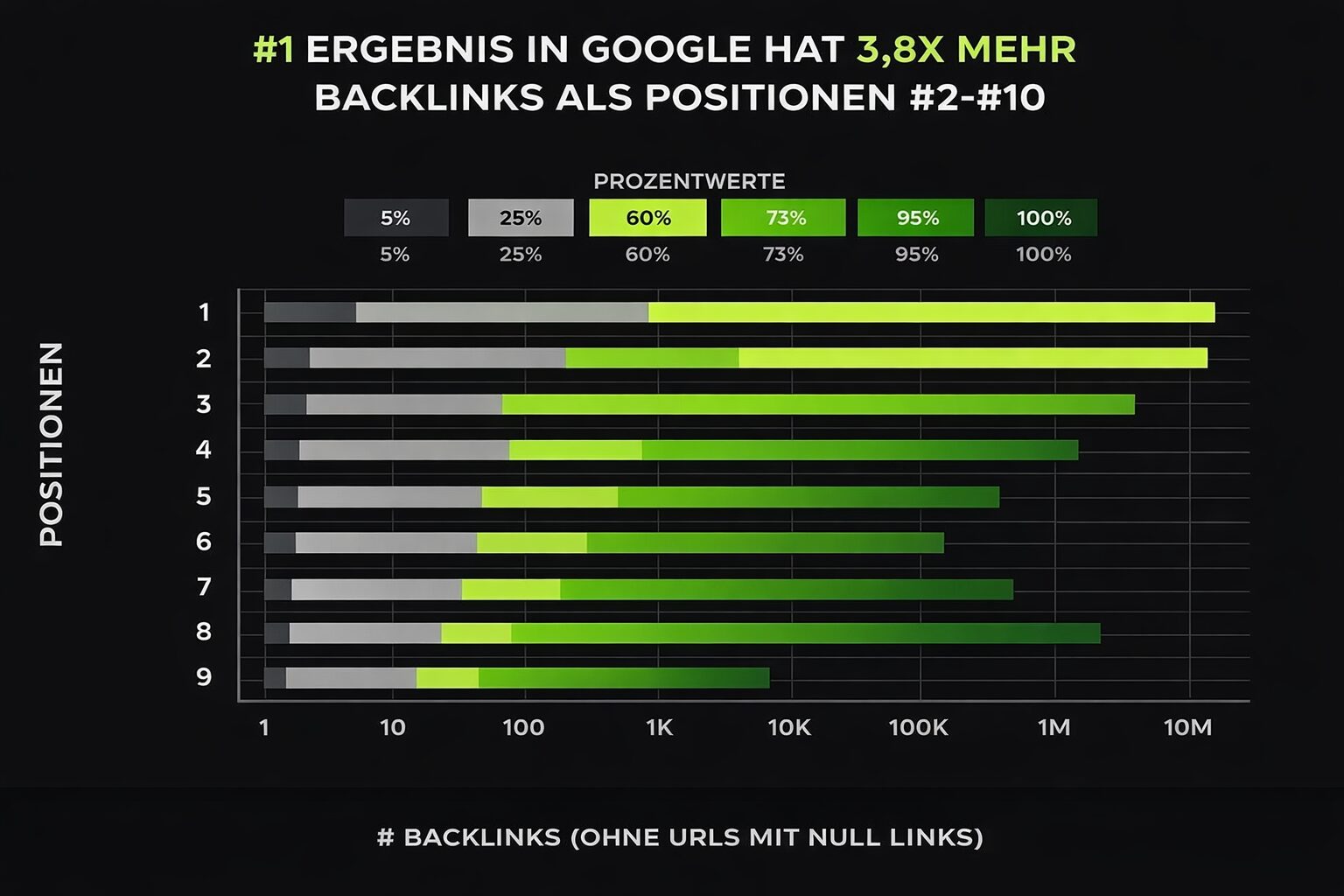
The strongest evidence that they still matter: a large-scale analysis updated in 2025 found that the number 1 Google result has 3.8× more backlinks than positions 2 to 10, and link authority correlates strongly with higher rankings. (Backlinko)
How backlinks influence rankings
Google’s task is simple: show the best possible result for a query. Content quality is the foundation, but your link profile, who cites you, how and where, helps Google assess credibility and relevance. That is why editorial links inside the content (in the body text of an article) usually carry more weight than boilerplate links in the footer or sidebar. They work like genuine citations.
See every backlink as a recommendation, but not all recommendations count the same. A link from a trustworthy, topically suitable site, placed naturally in a paragraph that deals with your topic, sends a considerably stronger signal than a random page that drops your URL into a list. Google keeps investing in spam-resistant systems, because if link manipulation were easy, users would lose trust in search.
In practice, rankings respond to a mix of signals:
- Context and placement: links embedded in the main content are more convincing than template links.
- Topical relevance: the closer the linking page’s topic is to yours, the better the signal.
- Diversity of referring domains: links from many different, credible sites are better than repeated links from one domain.
- Naturalness: anchor texts that sound like real body text (brand, partial match, descriptive phrases) look healthier than repeated exact-match anchors.
- Real-world trust: brands that contribute useful resources, data or guides attract citations that editorial teams are happy to stand behind.
A quick note on mindset: in some markets (for example parts of the DACH region) publishers are reluctant to link out. The remedy is not gimmicks, it is trust: useful assets, clear expertise and respectful outreach. This mixture of editorial value and soft skills (empathy, positioning, timing) turns “please link to us” into “that is worth citing”.
The fundamentals of link building
Your off-page strategy should be based on editorial value, not on shortcuts. Build for readers, follow the guidelines and keep your footprint clean.
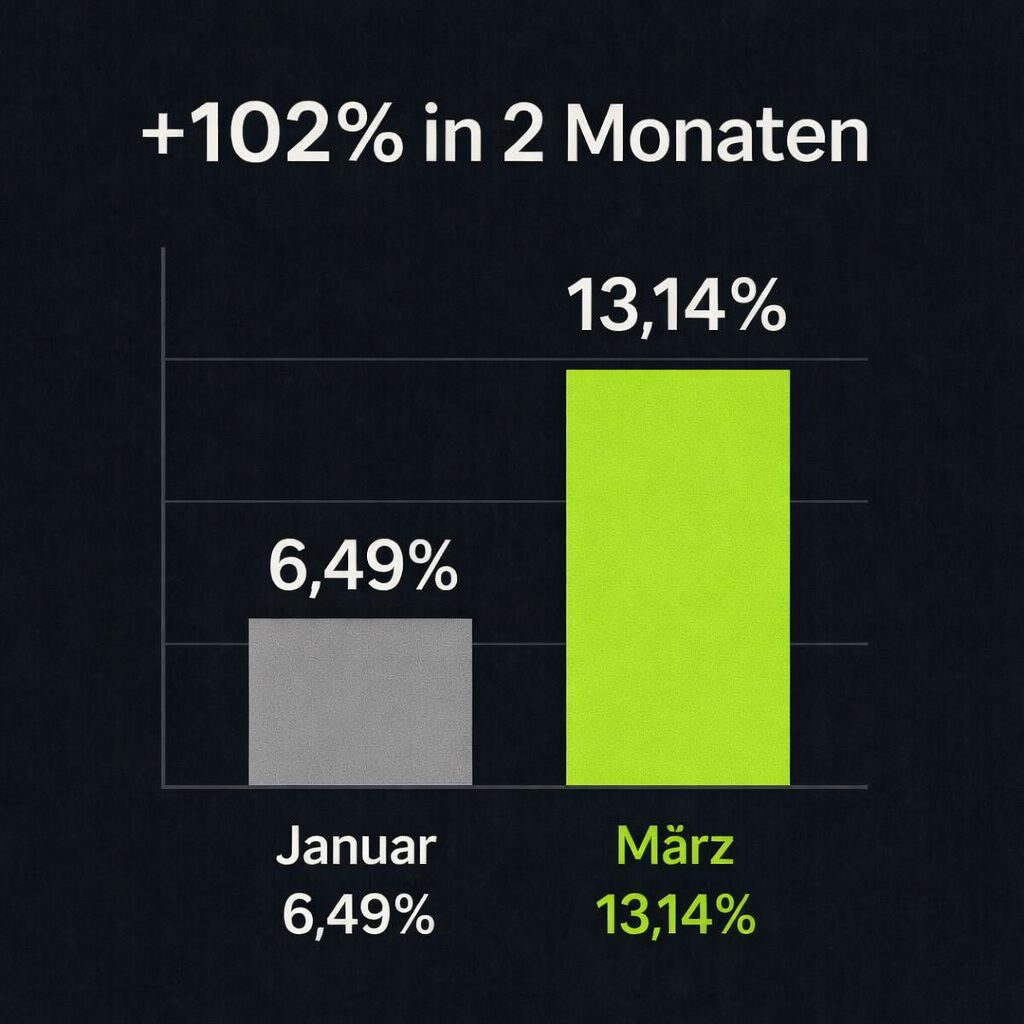
Search is changing, but off-site signals still count. For example, AI Overviews appeared in 13.14 % of Google searches in March 2025, an indication that credible citations and mentions outside your own site are now mandatory. (Semrush)
White hat, black hat and grey hat
- White hat: earned references through content, relationships and PR. The editorial team decides on the link. Lowest risk, cumulative effect.
- Black hat: manipulative schemes (link farms, networks, purchased editorial links). High penalty risk.
- Grey hat: tactics at the edge of what is permitted. The risk rises as spam detection improves.
| Criterion | White hat | Grey hat | Black hat |
|---|---|---|---|
| Short description | Earned references through content, relationships and PR; the editor decides. | At the edge of what is permitted; partly opaque. | Manipulative networks and purchased links. |
| Risk | Low | Medium | High |
| Typical tactics | Guest posts with real value, digital PR, resource pages. | Aggressive outreach patterns, borderline placements. | Link farms, PBNs, purchased “editorials”. |
| Recommendation | The standard, scale it long term. | Use deliberately and sparingly only. | Avoid (risk of penalties and devaluation). |
Link building vs. link earning
Link building is proactive outreach to secure placements. Link earning means publishing assets so useful that people cite you of their own accord. The most successful programmes combine both.
| Criterion | Link building (outreach) | Link earning |
|---|---|---|
| Definition | Proactively securing placements. | Assets attract links organically. |
| Trigger | Your pitches and outreach. | Quality and uniqueness of the asset. |
| Speed | Easier to plan and faster. | Slower, but steady. |
| Control | High (target and anchor can be chosen). | Lower (the editor decides). |
| Examples | Guest posts, broken link fixes, HARO. | Data studies, tools and calculators, statistics pages. |
Natural vs. artificial: what is safe?
Natural links arise from an editorial decision. Paid placements or advertisements should be qualified (for example with rel=”sponsored”). When in doubt, choose transparency.
| Criterion | Link building (outreach) | Link earning |
|---|---|---|
| Definition | Proactively securing placements. | Assets attract links organically. |
| Trigger | Your pitches and outreach. | Quality and uniqueness of the asset. |
| Speed | Easier to plan and faster. | Slower, but steady. |
| Control | High (target and anchor can be chosen). | Lower (the editor decides). |
| Examples | Guest posts, broken link fixes, HARO. | Data studies, tools and calculators, statistics pages. |
Why build backlinks
Backlinks are how the web vouches for you. Earn the right links and you rank more often, receive more clicks and stay in people’s memory longer. In 2025, smart link building is not about tricks, it is about creating value that others want to cite and making it easy for editorial teams.
What success looks like
- More organic traffic: high-quality, editorial links increase your perceived relevance and authority and improve your chances of ranking for the terms that matter.
- More referral traffic: good placements send real people, not just “authority”.
- Stronger brand signals: consistent mentions on reputable, topically relevant sites build recognition and trust (E-E-A-T) over time.
- Cumulative equity (link juice): every solid link strengthens the page it points to, and lifts related pages through internal links.
What makes a good backlink
- Relevance: the linking page covers your topic, and your link helps its readers.
- Authority: the site is credible (a real audience, a real editorial team, real standards).
- Placement: citations in the body text beat boilerplate links in sidebars and footers.
- Natural anchors: brand, partial-match and descriptive phrases read like normal text.
- Transparency: sponsored and UGC links use the appropriate attributes where applicable.
How Google reads your link profile
- Diversity of referring domains: many unique, relevant sites > many links from one site.
- Page-level strength: links from strong subpages (not only strong homepages) carry more weight.
- Topical fit and context: the paragraph around your link should make clear why you are being cited.
- Traffic value: links that real people click on are the safest and the most durable.
- Consistency instead of spikes: even, natural growth looks healthier than bursts of artificial links.
What you should avoid (and why)
- Buying or renting links, farms, low-quality article directories, automated guest posts, PBNs: high risk, little trust, short shelf life.
- Aggressive anchor text: repeated exact-match keywords across domains are a warning sign.
- Mechanical link exchanges: partner pages are fine; “you link to me, I link to you” at scale is not.
The mindset that works
- Build first, then promote: create citation-worthy assets (data pages, statistics hubs, calculators, visual explainers, definitive guides).
- Respect the editorial team: pitches should improve their article, not just your KPIs.
- Think long term: review old links, win back lost mentions and deliver fresh reasons for citations every quarter.
- Measure what counts: track growth in referring domains, qualified referrals and non-brand gains on the promoted pages.
The bottom line: backlinks remain one of the clearest external signals that you are worth ranking and recommending. Focus on links that a human editor would be happy to publish, and you gain visibility that pays off again and again.
Proven link building strategies for 2025
Choose 2 to 4 tactics you can run consistently. Personalisation beats mass mailing. Relevance beats pure metrics. Relationships beat one-offs.
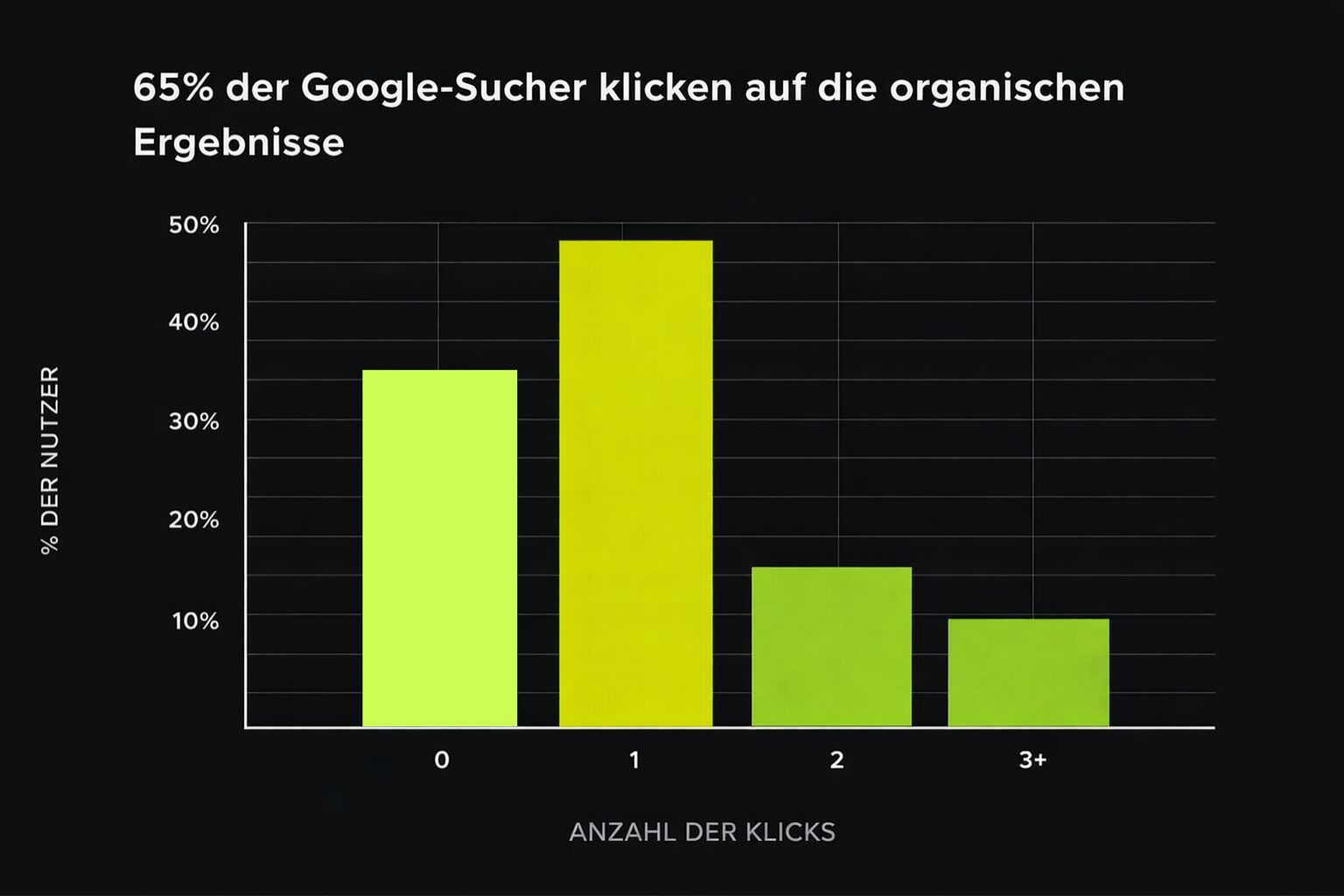
Despite the rise of AI answers, users still click on results: a 2025 round-up reports that 65 % of users still click on classic blue links, so links that boost your rankings (and referrals) remain high leverage. (Backlinko)
Start with linkable assets
Link building depends on content marketing. Create “citation-worthy” content: data round-ups, statistics hubs, glossary pages, buyer’s guides, calculators, mini tools, crisp how-to explainers and visual cheat sheets. Deliver something clearly better than what already exists, then tell people about it:
- Share it with niche newsletters, curators and communities.
- Pitch editorial teams with a two-sentence angle and a citable number.
- Refresh assets quarterly so they keep earning links.
Tip: track which asset categories (for example calculators vs. statistics pages) actually attract new referring domains, and double down there.
Guest posts (done properly)
Guest posting still works, when it improves their article and not just your KPIs.
- Build a vetted list of 30 to 50 relevant sites.
- Pitch 2 to 3 ideas per site that fill a clear gap.
- Place a contextual citation in the body text.
- Keep anchors natural (brand, partial match, descriptive).
Avoid “guest post farms”. If a site accepts everything from everyone, readers (and algorithms) notice.
Digital PR and newsjacking
Turn your expertise into stories the press wants: small original surveys, quarterly industry snapshots or quick expert commentary when a trend breaks. Keep pitches short (3 to 5 bullet points plus a citable key takeaway). Maintain a live statistics page on your website so that journalists have something credible to cite.
Broken link building
Find 404s on high-quality pages, rebuild or improve the missing resource and pitch yours as the solution. You solve a real problem for editorial teams and readers, which is why this tactic still lands links quickly.
Quick process: crawl relevant guides, export outbound links, filter for 404s, rebuild the missing content, send a short message: “Found a dead link; here is a maintained alternative”.
HARO-style journalist requests
Only reply when you are the right person. Start with a one-line qualification, give a concise, citable answer and link to the supporting resource. Consistency beats speed; two strong pitches beat ten rushed ones.
Resource page links
Universities, associations, NGOs and local authorities maintain curated resource pages. Offer your evergreen guide, a safety checklist or a calculator where it genuinely helps their audience. These are some of the most resilient, longest-lasting links you can earn.
Skyscraper, updated for 2025
Find content that already earns links, then publish something obviously better: deeper, clearer and up to date. Do not just add words; add value: fresh data, visuals, unique steps and examples. Then notify the sites that link to the older post.
Link reclamation and unlinked mentions
Monitor brand, product and study mentions. If somebody cites you without a link, send a polite note asking them to link to the source so that readers can verify the details. Keep it short and show the editorial benefit of the link (for example access to methods, data or templates).
Community participation
Answer genuine questions in specialist forums, Slack and Discord groups, subreddits and Q&A hubs. Only share your guide if it really helps the thread. Treat these channels as referral sources; any SEO benefit is a bonus.
Partnerships, vendors, associations
- Supplier and partner pages: if you resell or integrate vendors, get yourself listed on “where to buy”, “partners” or “integrations” pages.
- Chambers and industry associations: make sure your entries in member directories are complete and correct.
- Events and meetups: sponsor carefully (with the right link attribute) and afterwards publish a recap on your site that others can reference.
Getting into listicles
Identify “best X” and “top 10” round-ups in your niche that include competitors but leave you out. Get in touch with a short value case (a unique feature, proof or data) and a clean media kit so that including you is easy.
Link gap analysis
Export domains that link to two or more competitors but not to you. Work out why they linked (a resource, data, a tool, a case study), then create a better alternative and pitch it. This is one of the fastest routes to highly suitable prospects.
Round-ups and testimonials
- Round-ups: curators are looking for outstanding contributions, so send them your freshest piece with a one-sentence summary.
- Testimonials: if you love a tool or a vendor, write a short, concrete case study. Many companies publish these with a link to your site.
Pay attention to your link attributes
Editorial links should be “follow” by default. Sponsored placements should use rel=”sponsored”. Links generated by users can carry rel=”ugc”. Keep anchors human, avoid patterns (for example repeated exact matches across domains) and aim for steady growth from diverse, relevant sources.
Why this still counts in the AI era: AI Overviews now appear in roughly 13.14 % of searches (March 2025), but the bulk of discovery and clicks still flows through classic organic results, which is why credible, editorial citations remain a high-leverage route to traffic and trust (Semrush, 2025).
Tools and platforms for link building
You do not need expensive software to get started, but the right stack speeds up prospecting, personalisation and tracking.
Scale smartly: Semrush’s backlink database lists around 43 trillion links across 390 million referring domains (crawling around 10 billion URLs a day, as of 2025), so use large indexes to find gaps, broken links and unlinked mentions faster. (Backlinko)

Backlink research tools
Use them to reverse engineer competitors, identify linkable assets, discover 404 opportunities and track down unlinked brand mentions.
Outreach and email automation tools
Start lean (inbox plus filters). As volume grows, add specialised outreach tools for sequencing and reply tracking, but keep tier-A personalisation manual.
Link tracking and monitoring tools
Set up alerts for new and lost links, track anchor text patterns and monitor the diversity of referring domains so that you can course-correct early.
How to generate useful backlinks
You do not need a list of 200 tactics, you need a short playbook that you actually execute. Focus on repeatable moves that earn real, editorial citations.
Our go-to approaches:
- Substantial guest posts: pitch opinionated, gap-filling articles to respected sites in your niche. The goal is a contextual citation in the body text, with a natural anchor and a clear benefit for readers.
- PR with a story: turn data, small surveys or expert takes into press-worthy angles. Quality over quantity; target newspapers, magazines and reputable online publications.
- Reverse engineer competitors: pull the referring domains of your top rivals, work out the reason behind each link (resource, tool, study), create the better alternative and pitch it.
- Linkable assets: deliver things people like to cite: statistics hubs, calculators, glossaries, visual checklists, definitive guides. Promote them to curators and newsletters.
- Selective directories: complete your profiles in trustworthy, human-reviewed directories (especially for new sites and local plays). Avoid mass web catalogues.
- Partner and vendor mentions: secure places on “partners”, “integrations”, “where to buy” as well as alumni and customer pages. Editorial, not reciprocal at scale.
- Testimonials that travel: publish short, concrete results for tools you genuinely use. Vendors often feature them with a link.
- Getting into round-ups: give curators your strongest new piece with a one-sentence summary. Make inclusion easy.
- Resource page placements: offer evergreen guides or safety and standards checklists to universities, associations and NGOs with curated resources.
- Broken link wins: find dead outbound links on relevant pages, rebuild the missing resource better and suggest your maintained version.
Pro tip: choose 3 to 5 tactics, master the workflow and run them consistently. Personalisation beats templates, relevance beats pure metrics, relationships beat one-offs.
Link removal (when cleaning up wins)
Most backlink profiles do not need “surgery”. But if you have a manual action for unnatural links or a history of manipulative patterns, a cleanup is the fastest way to stop the bleeding, and then you replace the lost equity with fresh, editorial links.
When to act (and when not to)
- Act when you have (or will probably soon have) a manual action for unnatural links. Then triage, remove what you can, and use the disavow tool for the rest.
- Not necessary when there is no manual action and the “toxic” links have little influence; Google is fairly good at ignoring spam links.
A practical road map
- Export all backlinks, then sort by relevance and intent (paid, hacked, spammy widgets and so on).
- Attempt removals where possible (clear paid placements, hacked or parasite pages).
- Disavow whatever cannot be removed (domain level for obvious networks; URL level for isolated junk). Keep a dated .txt file and a short justification per group.
- Replace the equity: line up 10 to 20 highly suitable prospects per cleaned page (resources, news mentions, partner pages) and run a concise, value-first pitch cycle.
Act quickly after the cleanup:
Clicks are scarcer when AI answers appear. Ahrefs found that AI Overviews reduced clicks by 34.5 % year on year (March 2024 to March 2025), so if you have to disavow, top up with high-quality links quickly to protect visibility. (Ahrefs)
Defensive vs. offensive link building
Defensive links are earned, editorial citations from credible, topically relevant sites, acquired at a steady, natural pace with varied anchors; they are brand-safe, they compound, and they hold up better against algorithm updates.
Offensive links are manufactured placements, through brokers, PBNs or spammy web 2.0s, with aggressive exact-match anchors and sudden spikes; they can deliver a short-term boost, but they are fragile, are often devalued and are risky for any brand you want to preserve.
Defensive building (brand-safe, cumulative)
Prioritise editorial relevance, even velocity and anchor diversity. Think digital PR, expert statements, resource pages and links that send real referral traffic. Your footprint looks natural, you take updates calmly, and rankings are more likely to hold.
- Steady acquisition from diverse, topical domains
- Natural-sounding anchors (brand, partial, descriptive)
- A mix of placements (news, associations, guides, tools)
- Quarterly link earning campaigns for a smooth velocity
Offensive building (fast, fragile)
Aggressive anchors, link brokers and PBNs, web 2.0 spam, anything that creates spikes. You might rise quickly, but you are building on sand; Google increasingly neutralises or penalises these patterns. Use at your own risk.
- Quantity over fit, visible spikes, repetitive anchors
- Short-term gains; long-term volatility and cleanup costs
Across competitive SERPs, top-ranking pages typically gain around 5 % to 14 % more followed links per month, a pace that looks organic and compounds authority over time. Try to match that (or slightly exceed it) with legitimate placements.
How to measure link building success
Measure what moves the business: qualified visibility, referral traffic and conversions. Treat third-party scores as context: useful, but not decisive. Because Google keeps closing loopholes with machine learning, shortcuts do not last. An honest, editorial approach is the only one that compounds.
Among link builders, 59 % assess the impact of a link by looking for rising organic visibility on the target page, so use that as your primary success metric. (BuzzStream)
What you should track (and why)
- Diversity and topical fit of the referring domains, stronger and safer than repeats from one site.
- Lift for the target page, non-brand clicks, impressions, average position and CTR trend after the placement.
- Referral quality, sessions, engagement time and assisted conversions from highly suitable placements.
- Link velocity and consistency, steady, natural growth beats spikes; annotate your campaigns.
- Anchor mix, brand, partial and descriptive anchors signal naturalness.
- Rate of lost links and speed of recovery, monitor drops, fix the causes and re-pitch high-quality sites quickly. Because ads, feature modules and AI elements are squeezing the organic space, you cannot rely on old tricks. Connect every link with measurable results.
DR, TF and other metrics
Use DR/DA/TF as rough guides. Mediocre link building is no longer enough. Scores do not win markets; sustained, high-quality citations do.
Tracking organic traffic changes
Watch non-brand performance on the pages you promote. Attribute the uplift to specific placements, using before and after cohorts and campaign annotations. Your goal is to be the biggest fish in your niche, not to chase vanity metrics.
Monitoring indexing and link loss
Set up alerts for lost links and coverage problems. Fix the causes (URL moves, 404s, noindex), publish improved replacement pages and launch quick reclamation outreach. Do not rely on brittle tactics such as PBNs; Google is good at devaluing inactive or manipulative networks over time.
Using Google Search Console
Combine Links (top referring sites and pages, anchors) with Performance (queries and pages) to connect placements with results. Keep a simple outreach to placement to outcome log so that you know what actually works. Go big on quality or go home: measure real impact, not loopholes.
Ready for more revenue?
Book a free SEO and GEO audit

Find out in a free call how much revenue your website is leaving on the table, with no obligation and no agency waffle.