


Everything at a glance
-
Master the basics: mobile-first speed, HTTPS, clean indexability and a clear site architecture with topic clusters and targeted internal linking, so that users and crawlers find the right pages quickly.
-
Publish intent-led content: one main topic per page, comprehensive and evergreen, easy to skim, enriched with your own visuals, and updated at regular intervals.
-
Win the click and the snippet: benefit-led titles, clean slugs, convincing meta descriptions and concise answers with the right schema, in order to qualify for rich results and AI-style answer units.
-
Build real authority (no shortcuts): publish link-worthy assets (guides, data, tools), show up in communities, ask for citations ethically and maintain a consistent brand perspective and a design people like to refer to. Also cover the local basics (GBP, reviews, citations) if you serve a region.
-
Make UX and ops your flywheel: speed things up, declutter, guide the “next click” and run a continuous loop, with GSC as your single source of truth, Ahrefs/Semrush for gaps, a PM tool for accountability and regular crawls and audits, so that improvements build on each other.
You do not need a doctorate in algorithms in order to win in search. You need a clean website, content that genuinely helps, and a handful of smart habits that you repeat. Think of SEO as well-lit paths through a forest: make it easy for people (and bots) to find and love your content.
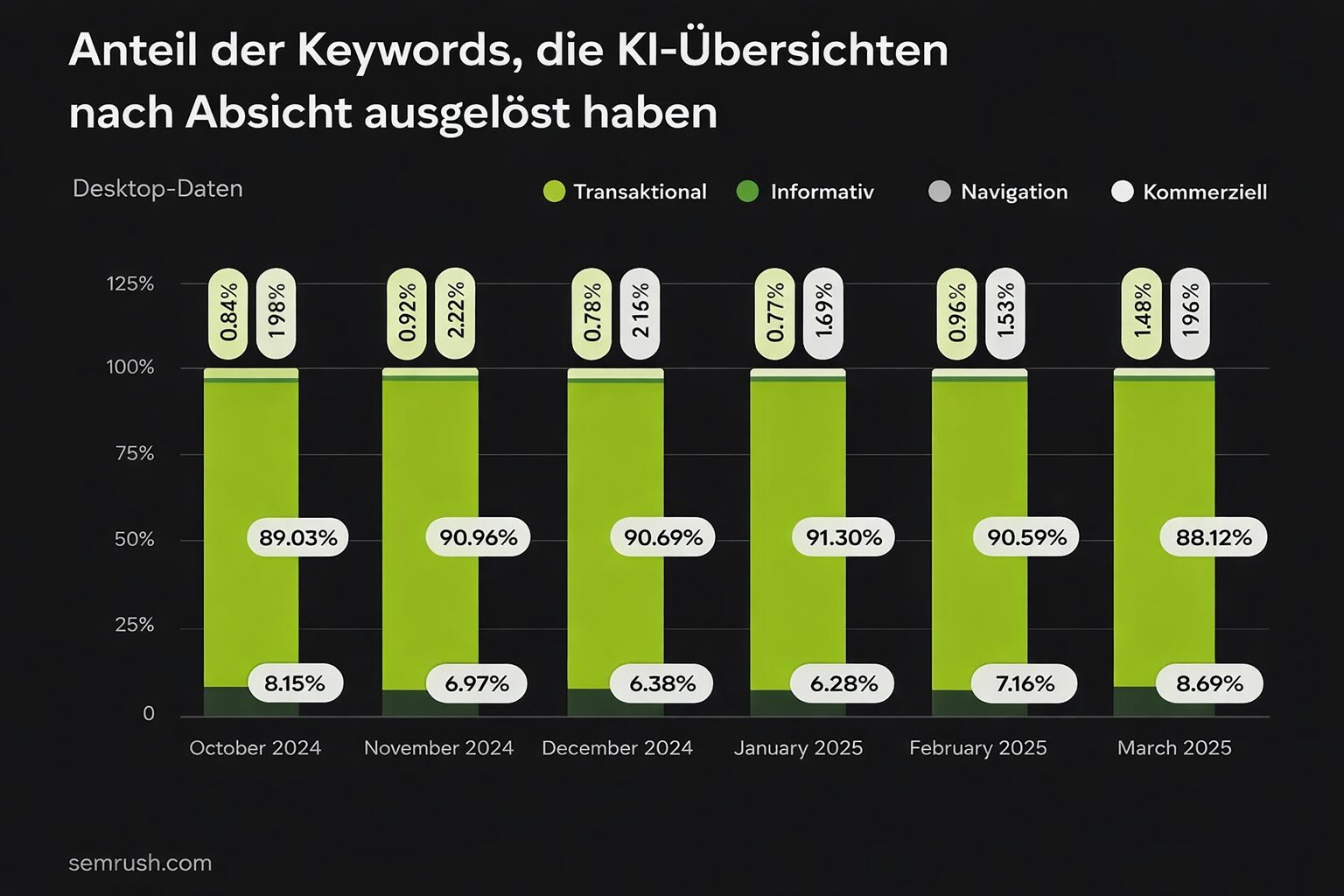
Organic search continues to deliver growing, free traffic, even as AI overviews change the results. 88.1% of the queries that trigger an AI overview are informational (Semrush, March 2025). (Semrush). You win by being both the source those answers cite and the page real people click.
What is SEO and why does it still matter in 2025?
Two lines for context: SEO is the practice of guiding people to your pages through search. In 2025 it also means winning visibility in AI answers, which often appear before the classic blue links.
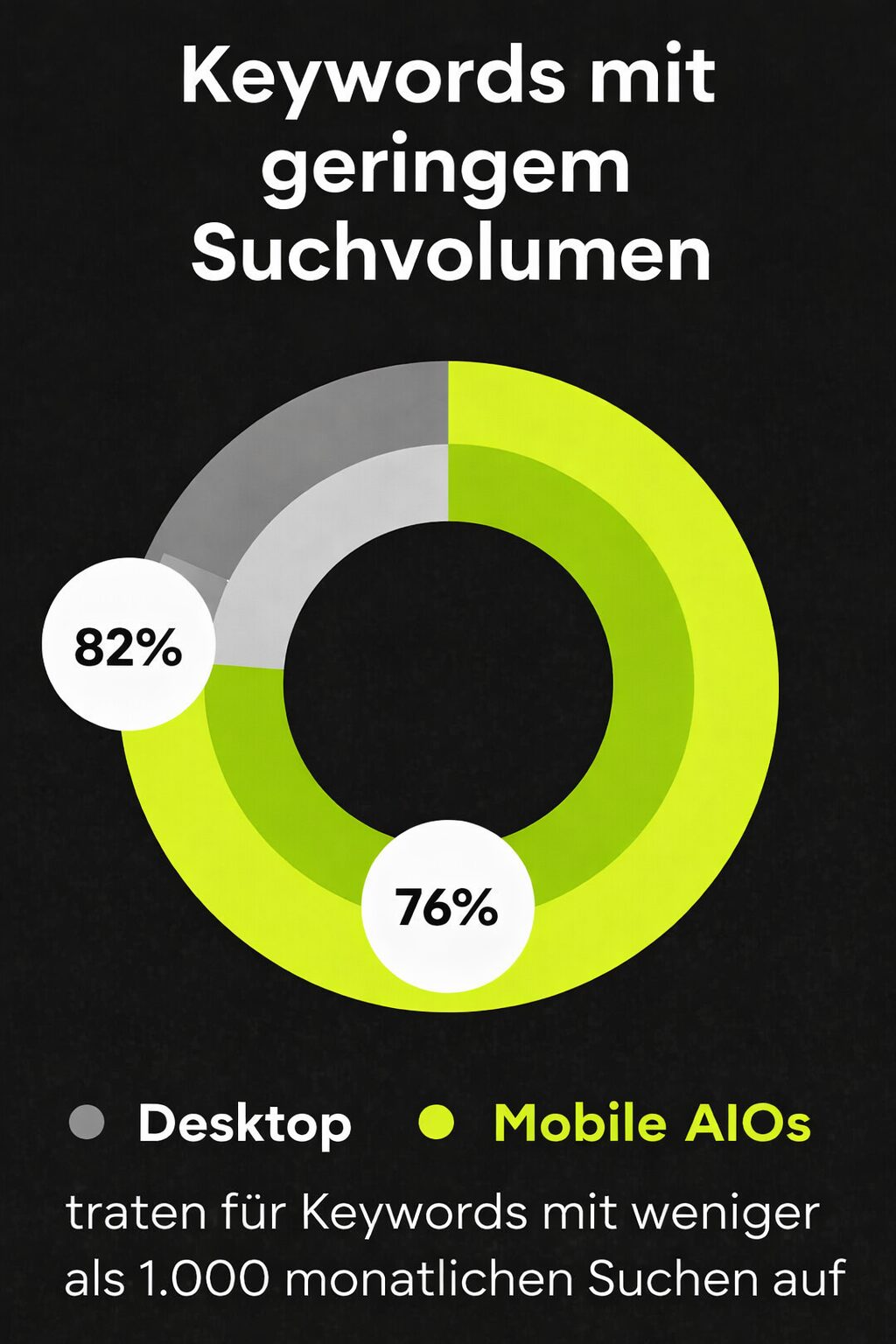
You will see more mixed results, more answer units and more “no-click” journeys. Even so, search keeps sending visit-ready users who want to read, subscribe, call or buy. 82% of desktop AI overviews appear for keywords with fewer than 1,000 monthly searches. (Semrush)
What exactly is SEO?
SEO (search engine optimisation) is the practice of improving a website so that it gains visibility in organic (unpaid) search results. If a result is marked “Ad”, that is paid search, not organic.
Search engines and AI surfaces have to understand, trust and value your pages, so align with search intent, remove technical friction and demonstrate authority over time.
The benefits of SEO in a changing digital landscape
- Organic is the biggest channel: around 53.3% of trackable web traffic comes from organic search. (BrightEdge)
- Compound growth: every genuinely helpful page widens your topical footprint and captures more queries over time.
- Durable results: paid placements disappear when budgets stop; strong organic rankings keep working.
- High-return positions: the top 3 results capture around 54.4% of all clicks, so small ranking gains pay off. (Search Atlas – Advanced SEO Software)
- Stronger brand signals: consistent organic visibility builds trust, recognition and authority along the buyer journey.
How Google rankings work in 2025
Google combines classic signals (content relevance, links, technical health) with page experience. AI overviews can take clicks away, but they cite sources, and well-structured, expert content can win both the mention and the visit.
Referring domains (a variety of websites linking to you) correlate strongly with better rankings, and patience is part of it: visible movement often takes months, and shortcuts and black hat tricks do damage.
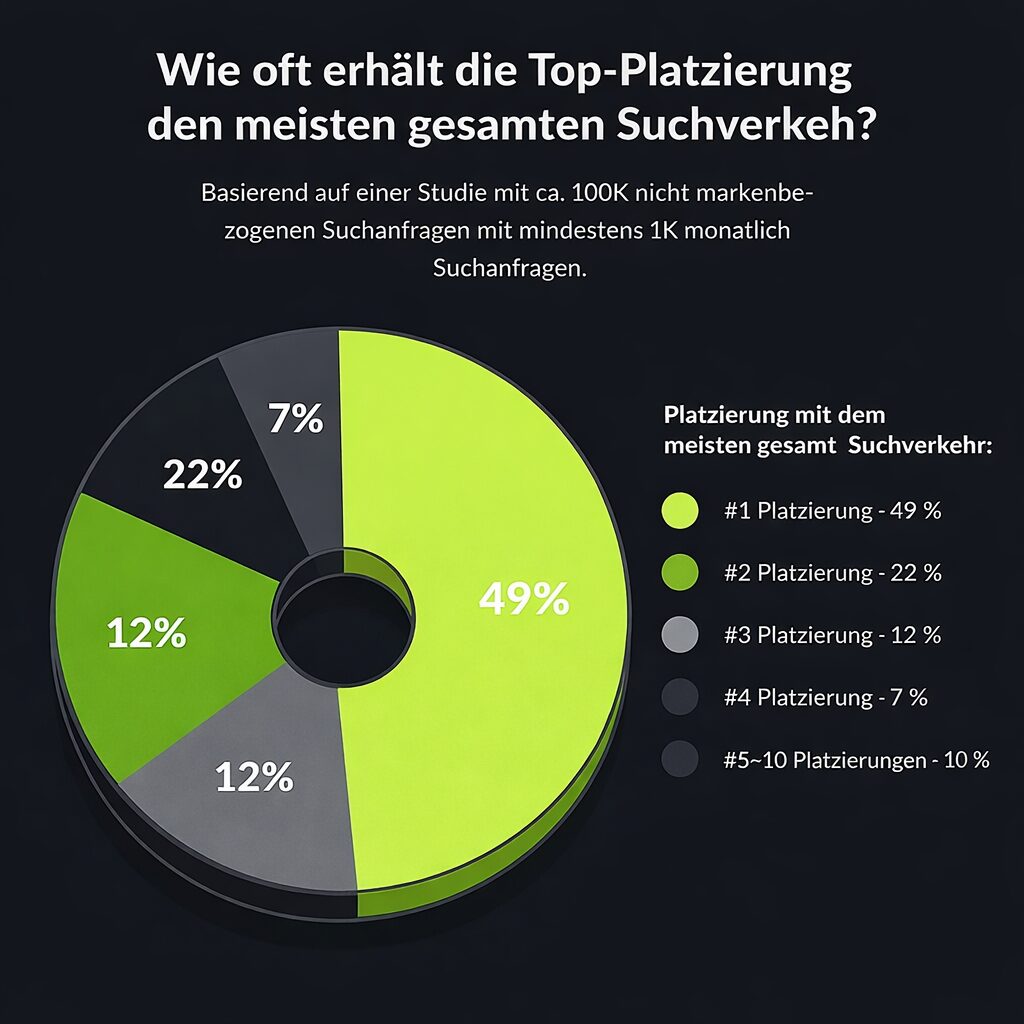
Also: do not fixate on “number 1 or nothing”. The highest-ranking page receives the most search traffic in only 49% of cases, so broad topical coverage and clever internal linking can bring significant traffic even without a permanent number 1. (Ahrefs)
To climb in the SERPs, concentrate on:
- Satisfying search intent: answer clearly first, then go deeper with steps, examples and visuals.
- Building authority in your niche: earn links from relevant, reputable domains and build recognisable expertise.
- Eliminating technical friction: fast, mobile-friendly pages with clean code and consistent indexing signals.
How do I optimise my site structure for search engines?
Think of site structure as the way your pages are organised and linked; crawlability is how easily bots discover and understand them. Your goal is simple: fewer clicks to important pages, clear paths between related topics and no dead ends.
- Keep it flat: most key pages should be reachable within 3 clicks or fewer.
- Clean navigation: render menus in HTML (not only JS), add breadcrumbs and link related pages from the body copy.
- Build topic clusters: create one hub page per major topic, then link to focused subpages, and back again.
- Close internal link gaps: remove orphans, concentrate link equity on priority pages and avoid over-linking.
- Make URLs human-friendly: short and descriptive beats long and cryptic.
- Guide the crawlers: maintain an up-to-date XML sitemap; use robots.txt only for areas that genuinely should not be indexed.
- Ship the basics: HTTPS everywhere and mobile-first layouts are mandatory in 2025.
Do this well and users explore your site naturally. Visitors from search view around 3 to 3.5 pages per session on average, so give them obvious next clicks with smart internal links and breadcrumbs. (Backlinko)
How do I do effective keyword research in 2025?
Keyword research means finding the exact words and phrases your target audience searches for, and prioritising the ones you can realistically win.
Most of the demand sits in the “long tail”. Recent overviews show that the majority of queries are multi-word and specific, which is why cluster coverage beats chasing a single trophy keyword. (Backlinko)
1. Use Google SERPs for keyword inspiration
Start with the results page before you open a tool.
- Scan “People also ask”, related searches and the headings of the top pages in order to map subtopics, synonyms and gaps.
- Type in a seed term and note the autocomplete variants; click a result and go back, then watch how the refinements change.
- Save questions with tools such as AlsoAsked or your PAA scraper; keep the ones that fit your audience.
2. Prioritise real user questions and search intent
Intent beats volume, always.
- Label candidates as informational, commercial, transactional or navigational.
- Build the right asset per intent: tutorials, comparisons, product pages or hub pages.
- If a head term is vague (for example “social media marketing”), pursue clearer variants (“social media marketing strategy template”, “social media marketing pricing for startups”).
3. Long-tail keywords and semantic SEO
Long-tail terms are easier to rank for and reveal concrete needs.
- Group closely related phrases into clusters around a topic.
- Cover entities, synonyms and FAQs in natural language, with no jargon and no stuffing.
- Use community sources (Reddit, Quora) and local Q&A forums in order to find real phrasing.
4. Keyword placement that works today
Prominence counts for more than repetition. Place your main keyword:
- In the title tag and H1 (as early as feels natural).
- In the URL slug, in the first 100 words and in one subheading.
- In the file name and alt text of the first image.
Scatter variants naturally across the sections, and write for people first.
Forget outdated tactics such as keyword density
Density is not a ranking factor. There is no magic percentage. Concentrate on relevance, completeness and clarity with a scannable structure (short paragraphs, bullet lists and descriptive subheadings). Density-driven text reads as robotic and ages badly.
What really makes content SEO-friendly today?
Two guiding principles: content should satisfy the intent quickly and then go deeper. It should be easy to scan, pleasant to read and robust enough to earn links and citations.
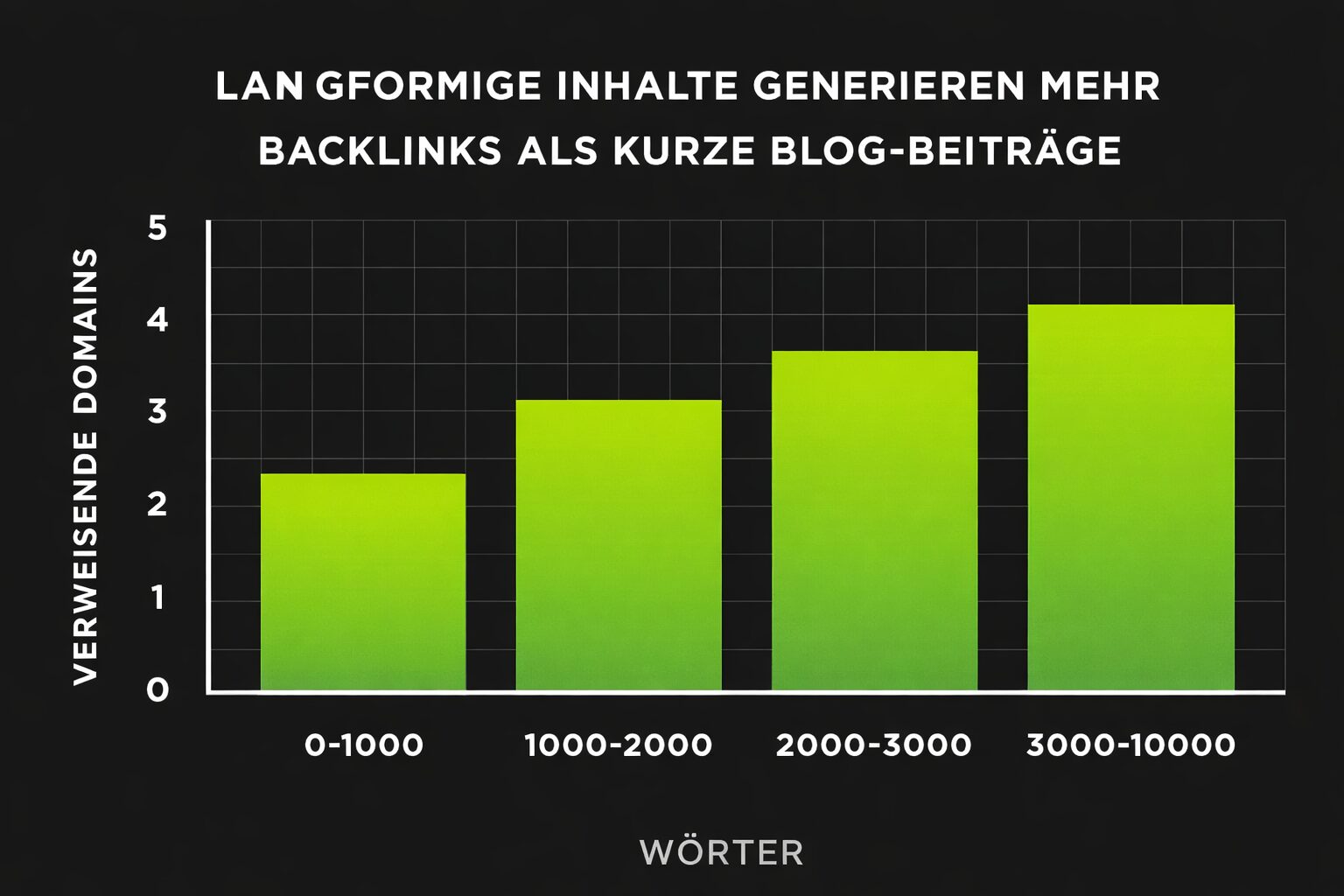
Backlink studies show that longer, in-depth content receives around 77.2% more backlinks than short pieces, which is strong evidence that comprehensive pages attract authority in 2025. (Backlinko)
5. Write for user intent, not just for search engines
Search intent is the real reason behind a query: to learn, to compare, to buy or to find a brand. Start with the core question and answer it in the first 2 to 3 lines, then expand.
- Begin with an answer in plain language; then follow with steps, examples and a short checklist.
- Mirror the SERP: if the top results show lists, images or comparison tables, adopt those formats.
- Use everyday phrasing that your audience types or says; avoid jargon and filler words.
- Add a short “what next?” at the end of each section in order to guide the click path.
6. Cover all stages of the content funnel
Content funnel = the path from learning through weighing up to acting. Help readers move on without leaving.
- Learn: overview explainers, definitions and how-tos.
- Weigh up: comparisons (“X vs Y”), templates, pricing guides, case studies.
- Act: product and service pages, calculators, checklists and clear CTAs.
- Link these pieces to each other, so that people can climb the ladder in two or three clicks.
7. Focus on one keyword per page
A focus keyword is the main topic a page should win. Keep one main topic per URL.
- Put the main term in the title tag, H1, URL slug, opening and one subheading.
- Support it with related entities and FAQs; avoid splitting one topic across several thin pages.
- If two pages chase the same term, consolidate and redirect the weaker one.
8. Create comprehensive, evergreen content
Evergreen content stays useful for a long time and accumulates traffic and links.
- Cover the task completely: definitions, steps, pitfalls, examples and tools.
- Add your own visuals (flows, diagrams, annotated screenshots) so that your guide becomes the reference.
- Refresh quarterly: new data, clearer steps, cut ballast, update screenshots.
9. Avoid thin or duplicate content
Thin content = shallow pages with little unique value; duplicate content = near-identical versions that compete with each other.
- Audit for low-value pages; delete, merge or upgrade them.
- Canonicalise variants (for example filters, URLs cluttered with UTMs) and avoid doorway pages.
- For products and services, write your own angles: use cases, FAQs, evidence and real examples.
10. Structure headings and subheadings correctly
Good structure helps people scan and helps AI surfaces extract answers.
- One H1 per page; separate sections with clear H2/H3 that reflect the expected subtopics.
- Keep paragraphs short (2 to 4 lines) and use lists for steps, pros and cons and takeaways.
- Value up front: lead each section with its most important point.
11. Optimise content for readability and engagement
Readable pages get read, and shared.
- Short sentences, active voice, concrete verbs.
- Use jump links and a table of contents for long guides.
- Add summaries at the start of each H2 section, so that people in a hurry know what is coming.
12. Enrich articles with multimedia
Your own visuals make content easier to understand and more link-worthy.
- Replace stock with your own diagrams, GIF demos, short explainer clips and before/after images.
- Caption images with context; use descriptive file names and alt texts (without stuffing).
- Embed short videos for tasks that are quicker to show than to explain.
13. Keep content fresh and update it regularly
A content refresh is a targeted update that improves accuracy, depth and performance.
- Check rankings and CTR quarterly; expand sections that underperform or are out of date.
- Add new data points, improve examples and remove steps and screenshots that have become obsolete.
- Note the update date and submit the URL for indexing after substantial changes.
14. Use Google Search Console for content insights
Google Search Console (GSC) shows which queries bring impressions and clicks to each page.
- Under Performance, filter by page in order to find queries with many impressions and a low CTR; refine titles and intros.
- Under Queries, discover terms you rank for unintentionally; add on-page sections in order to serve them better.
- Watch Pages/Indexing in order to spot crawl and index problems that are dampening visibility.
How do I write metadata that increases the click-through rate?
Your title and description are your ad copy. Promise value, match the intent and avoid truncation. Write for people first.
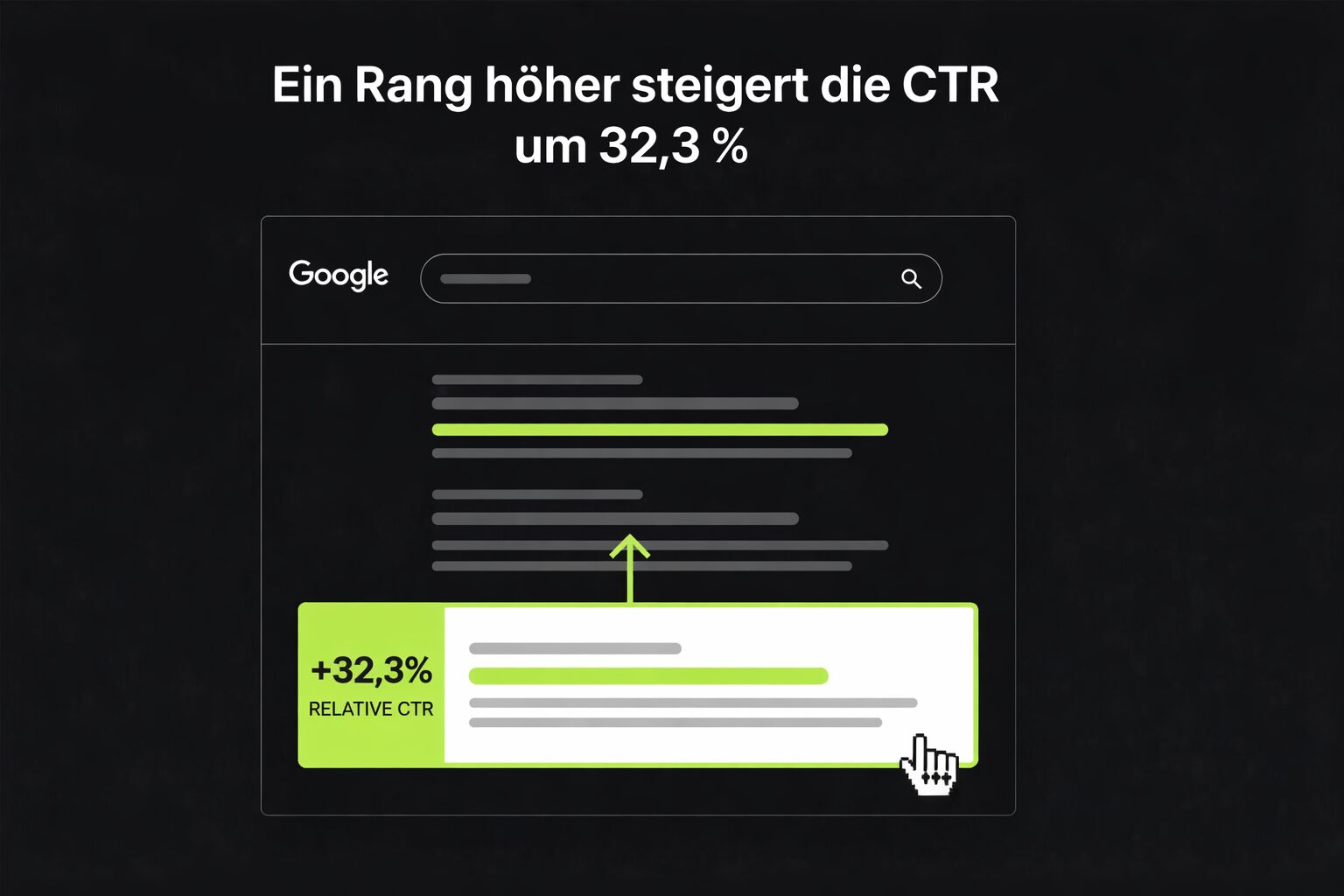
Data shows that moving up by just one position can raise the relative CTR by around 32.3%, so every small on-page improvement adds up. In 2025 the top organic result averages around 39.8% CTR, so owning that spot lifts your traffic sharply. (Backlinko)
15. Write convincing, keyword-rich title tags
Your title tag is the mini billboard that decides the click. Lead with the benefit, weave your keyword in naturally and use brackets in order to set expectations: [checklist], [2025], [guide]. Clarity beats cleverness; unique angles beat generic “keyword | brand” patterns.
- Useful patterns:
- {benefit}: {primary keyword} [2025]
- {number} {format}: {primary keyword} [checklist]
- {outcome} without {pain}: {primary keyword}
- A quick example: “Faster rankings: SEO tips [2025]”, a promise, a keyword and a bracket that signals freshness.
Finish with a sanity check for truncation and duplication across similar pages, so that titles do not cannibalise each other.
16. Create SEO-friendly URLs
Think of the URL as your content’s label on the shelf: short, descriptive, stable. Lower case with hyphens, no dates or IDs, and the main keyword once.
- Good: /seo-tips, which is clean, memorable and matches the intent.
- Better for clusters: /seo-tips/keyword-research, which shows hierarchy without ballast.
- Avoid: /2025/05/07/seo-tips-v12?ref=home, which is fragile, noisy and hard to share. If you have to change a slug, 301 the old one and update internal links, so that no equity is left behind.
17. Write meta descriptions that convert
Meta descriptions do not rank you directly, but they fetch the click. Write one or two crisp sentences that hit the pain, tease the gain and invite action.
- A simple formula: problem, promise, evidence/CTA
- “Struggling with organic growth? Learn the SEO tips that really move rankings: clear steps, free tools and examples. Start with our checklist.”
- Natural language instead of keyword stuffing; treat it as ad copy that sets the right expectation for the page.
Close with consistency across title, URL and description, so that the result feels coherent from impression to visit.
18. Optimise for rich results and featured snippets
Featured snippets and SERP features still deliver noticeable visibility in 2025. Make your page the best answer and the easiest one to extract.
- Deliver a simple 40 to 50 word answer to the core question near the top.
- Use lists, steps or comparison tables where the SERP suggests them.
- Add the appropriate schema (for example HowTo, FAQPage, Product, Review, Breadcrumb, Video), without spamming.
Keep the same promise across title, URL and description, so that the impression stays consistent.
Which technical SEO improvements count most in 2025?
Speed, stability, clean code and healthy crawl stats. Monitor Core Web Vitals and fix the bottlenecks that slow real users down.
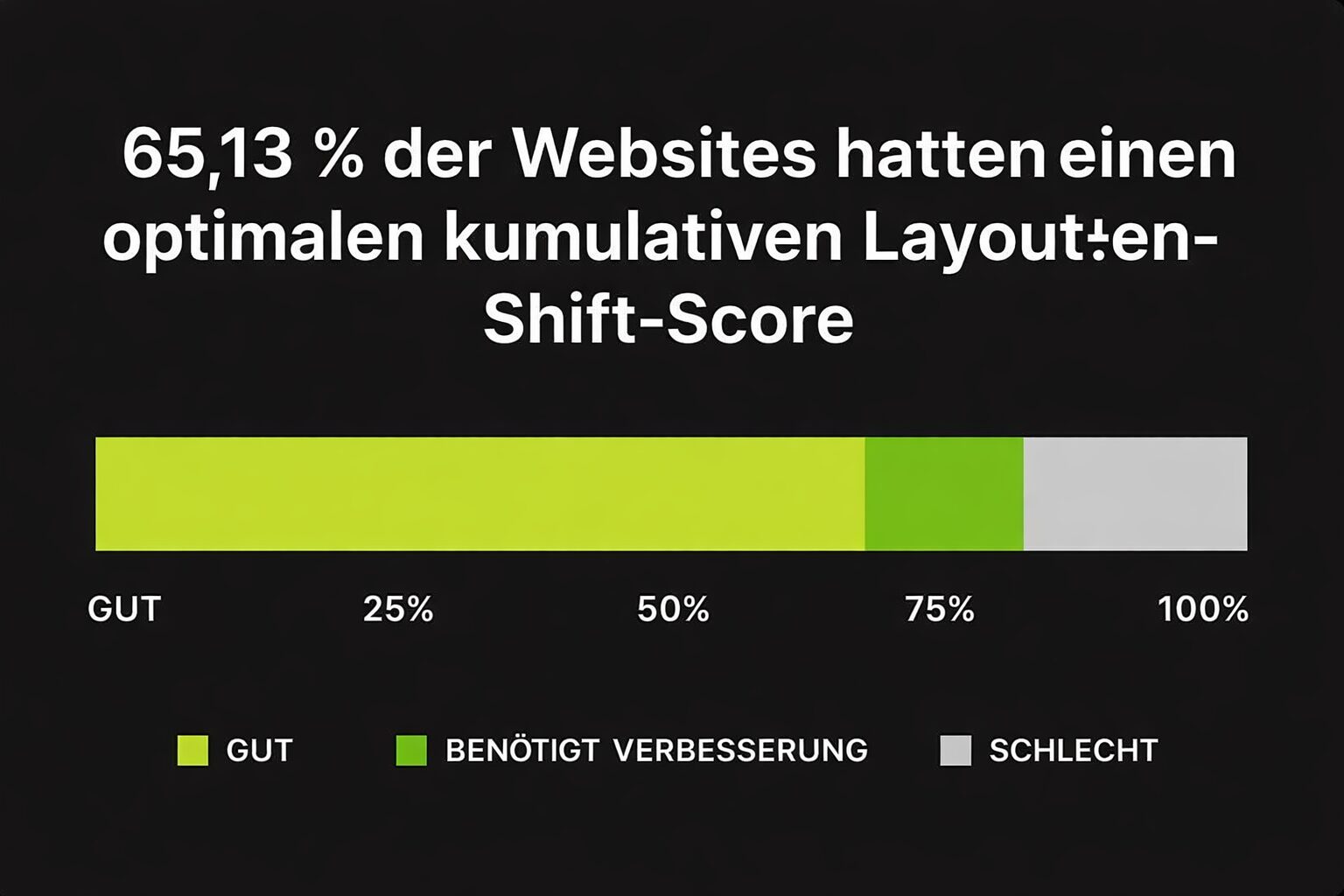
Backlinko analysed 208,085 web pages and found that 65.13% of them have a good CLS (Cumulative Layout Shift), a clear sign that visual stability is now well implemented on many sites. (Backlinko)
19. Reduce your website’s load times
Speed is the first impression. If pages feel sluggish, users leave before your content loads. Start with the biggest files and the most blocking scripts, verify improvements with CrUX (real user data) and Lighthouse (lab tests). Keep an eye on LCP/INP/CLS as you iterate.
- Compress and modernise images (WebP/AVIF), deliver the correct dimensions and use lazy loading for everything below the fold.
- Use defer or async for non-critical JS, inline only minimal critical CSS and cut unused styles.
- Self-host important fonts, subset the character sets, use font-display: swap and minimise font families.
- Fewer requests: bundle sensibly, enable HTTP/2 or HTTP/3, set long cache headers and use a CDN for static assets.
- Retest after every change; regressions are common when new scripts or widgets are added.
20. Find and fix broken links
Broken links waste crawl budget and user goodwill. Make link hygiene a monthly routine, so that problems do not pile up.
- Crawl for 4xx/5xx and image or file 404s; correct typos, update destinations or 301 to the closest matching page.
- If content is gone for good, consider 410 and remove the internal links pointing to it.
- Offer a helpful 404 page with search and popular links; it should help people find their way again, not trap them.
- After large restructures, refresh the XML sitemap and internal links in order to avoid orphan pages.
21. Ensure accessibility and clean code
Accessible pages are easier for people and machines to understand, and cleaner markup often performs better in search.
- Use semantic landmarks (<header>, <nav>, <main>, <aside>, <footer>), meaningful headings and labelled form elements.
- Provide sensible alt text for images, visible focus states and keyboard-friendly navigation.
- Meet at least WCAG 2.1 AA contrast; do not hide important actions behind hover-only interactions.
- Keep the DOM lean, avoid redundant wrappers and prefer native HTML over heavy JS for common UI.
22. Manage plugins and third-party scripts
Every extra script adds latency, layout shift risk and maintenance work. Treat third-party code as if it costs you milliseconds, because it does.
- Inventory your tags (analytics, chat, A/B, widgets) and keep only what clearly earns its place.
- Load third parties after the main content, use async/defer and lazy-load iframes (for example video, maps).
- Bundle trackers through a tag manager, remove duplicate libraries and pin versions in order to avoid surprises.
- Review plugins quarterly for updates and retirement; a few well-maintained plugins beat an overloaded stack.
How do I optimise images for SEO?
Your own visuals tell your story and earn links. They also help you stand out in image search and enrich AI answers.
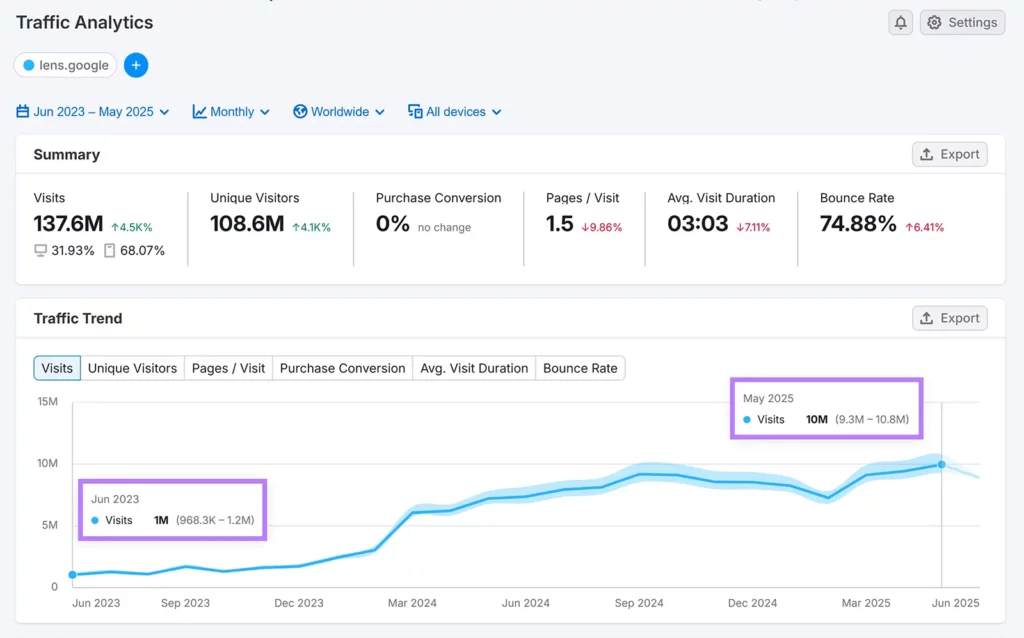
A new 2025 figure: according to Semrush, traffic to lens.google (Google Lens) rose to 10 million visits in May 2025, up from 1 million two years earlier, a clear sign that visual search is growing rapidly. (Semrush)
23. Why original images matter
Stock looks generic because thousands of sites use the same picture. Your own visuals, phone photos, annotated screenshots, process diagrams, before and after shots, signal expertise and give people a reason to link to you or cite you. They also help with visibility in image surfaces, where uniqueness and context count.
- Think lightweight production: capture the steps as you work, annotate with arrows and labels, export a simple process diagram or visualise a metric as a small chart.
- Relevance before perfection; a clear, helpful image beats a glossy but vague stock photo.
24. Use the right file names, alt texts and metadata
File names and alt text tell users and crawlers what the image shows. Keep them descriptive and human.
- File names: seo-audit-checklist.png instead of IMG_4321.png. Hyphens, lower case, no spaces or special characters.
- Alt text: describe the purpose of the image in context: “Flow diagram of the SEO audit process with four phases.” (No stuffing; if it is decorative, use an empty alt.)
- Captions and surroundings: if a caption helps, write one; make sure the surrounding text supports the same idea.
- Technical metadata: specify width and height in order to prevent layout shift; remove unnecessary EXIF data for privacy and size reasons.
25. Compress images without losing quality
Format and size do the heavy lifting. Export cleanly, then automate compression.
- Choose modern formats: WebP/AVIF for photos and UI; SVG for simple icons and line art.
- Deliver responsive sizes (srcset/sizes), so that mobile devices do not load desktop dimensions.
- Set guardrails: keep inline images lean, optimise hero images aggressively and use lazy loading for assets below the fold.
- Bake compression into the pipeline (a build step or CMS plugin), so that every upload meets the standard automatically.
26. Support visual search and image indexing
Visual search is discovery through images; image indexing is the cataloguing that lets them appear.
- Add descriptive captions and make sure the page topic matches the image; context increases relevance.
- Use structured data where appropriate (for example Article, HowTo, Product, each with image fields). For large galleries, consider an image sitemap.
- Keep images fast on mobile: correct dimensions, efficient formats and caching via a CDN.
- Avoid text embedded in images when the same information can be HTML (for accessibility, translation and clarity).
How do I build and maintain a strong backlink profile?
Links still signal trust. Earn them with genuinely useful content and promote them with a considered outreach plan.
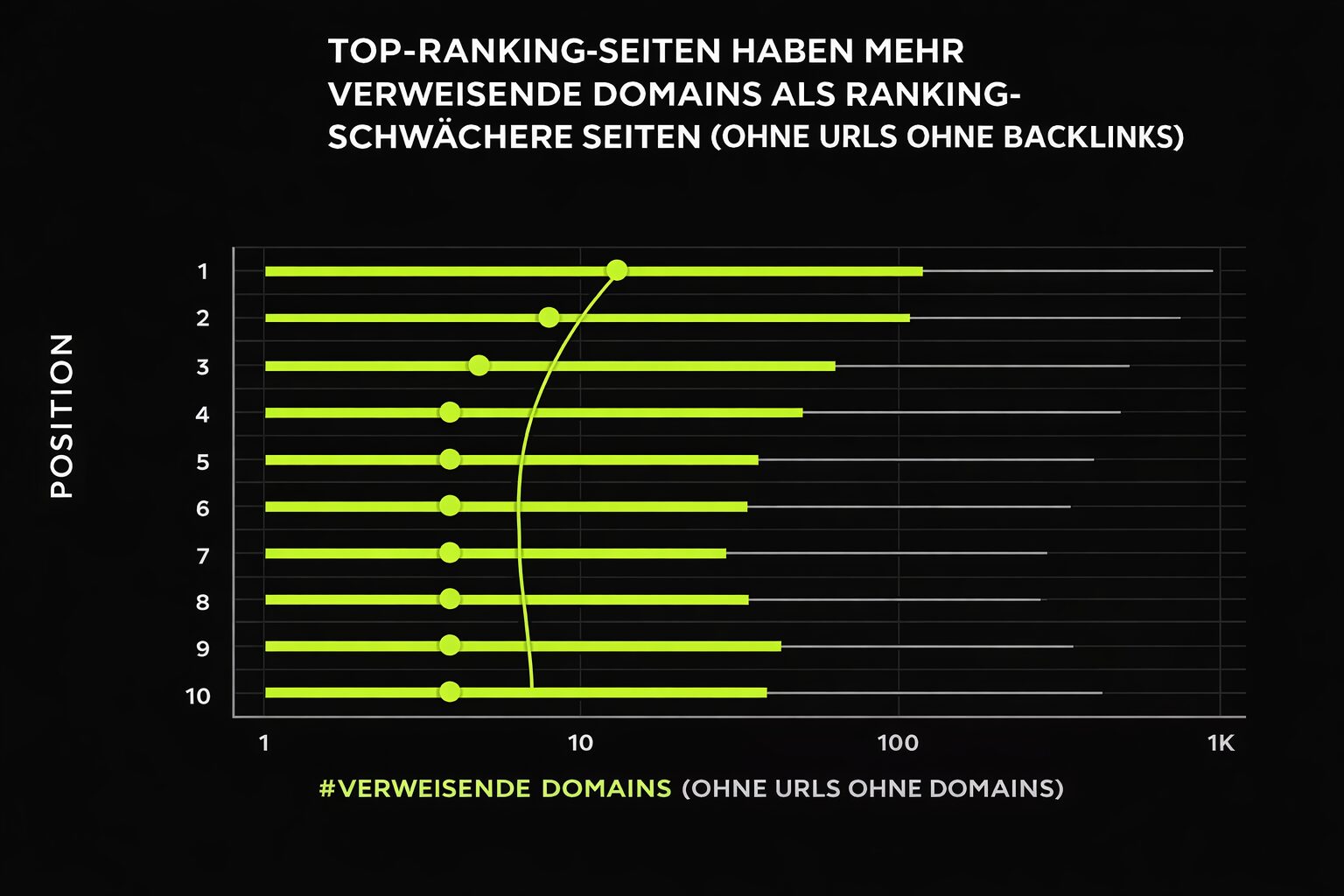
Backlinko’s 2025 updates confirm that the number of referring domains correlates most strongly with rankings, and that over 66% of pages have no backlinks at all, which is a large gap you can exploit. (Backlinko)
27. Create high-quality, link-worthy content
Earn links, do not chase them. The most reliable way is with link-worthy assets: deep guides, your own data, practical tools or templates that people refer to because they solve a real problem. Roundups and statistics collections work too, if you bundle scattered information into one clear, current resource.
- Prioritise strong formats: studies (even small samples, with a transparent method), interactive tools and calculators, teardowns, comparison matrices and “state of the market” summaries.
- Make it distinctive: your own visuals (charts, diagrams), a transparent methodology and downloadable files that others can cite.
28. Build relationships and communities that link naturally
Links follow visibility. Show up where your audience and your peers already are, and be helpful.
- Take part in focused discussions (industry Slack/Discord, LinkedIn, niche forums) and share practical answers, not pitches.
- Co-create: collaborate on research, appear on podcasts, write partner posts or contribute expert quotes.
- After publishing, share your asset personally with people who care about the topic (editors, newsletter curators, community moderators).
29. Use brand building for SEO
A recognisable point of view (POV) and consistent design make your work visible and easier to cite. Brand mentions generate branded searches, which often lead to natural links and invitations to contribute.
- Maintain a consistent visual system (screenshots, diagram style, colour cues) and sign your insights with a clear stance.
- Package your best ideas into recurring series (for example quarterly benchmarks), so that publishers know what to expect, and when.
30. Ask for backlinks the right way
Outreach works when it is relevant and respectful.
- Personalise every message: show that you have read their article, say why your resource helps their readers and name the exact spot where it fits.
- Offer clear value: a better reference, a missing citation, a fresher figure or a dead link you can replace.
- Keep friction low: include anchor text suggestions and a one-line summary.
31. Citing and being cited: using source links strategically
Linking out builds trust, and gets noticed. Cite primary sources for facts and methods and let them know that you have referenced them. The other way round: monitor where your work appears and request attribution when it is missing.
- Track unlinked mentions: set alerts for your brand and product names and scan newsletters or roundups.
- Reclaim image credits:
- Copy the image address of your graphic or diagram.
- Search for reuse via Google Images/Lens or Bing Visual Search.
- If the credit is missing, ask politely for a link to the original page to be added.
- Maintain a lean “sources” page or footnotes on large guides; publishers love clean citations they can adopt.
What role do user signals play in rankings?
Helpfulness cannot be faked. Google and AI systems perceive engagement: what people click, where they linger and what they bounce from.
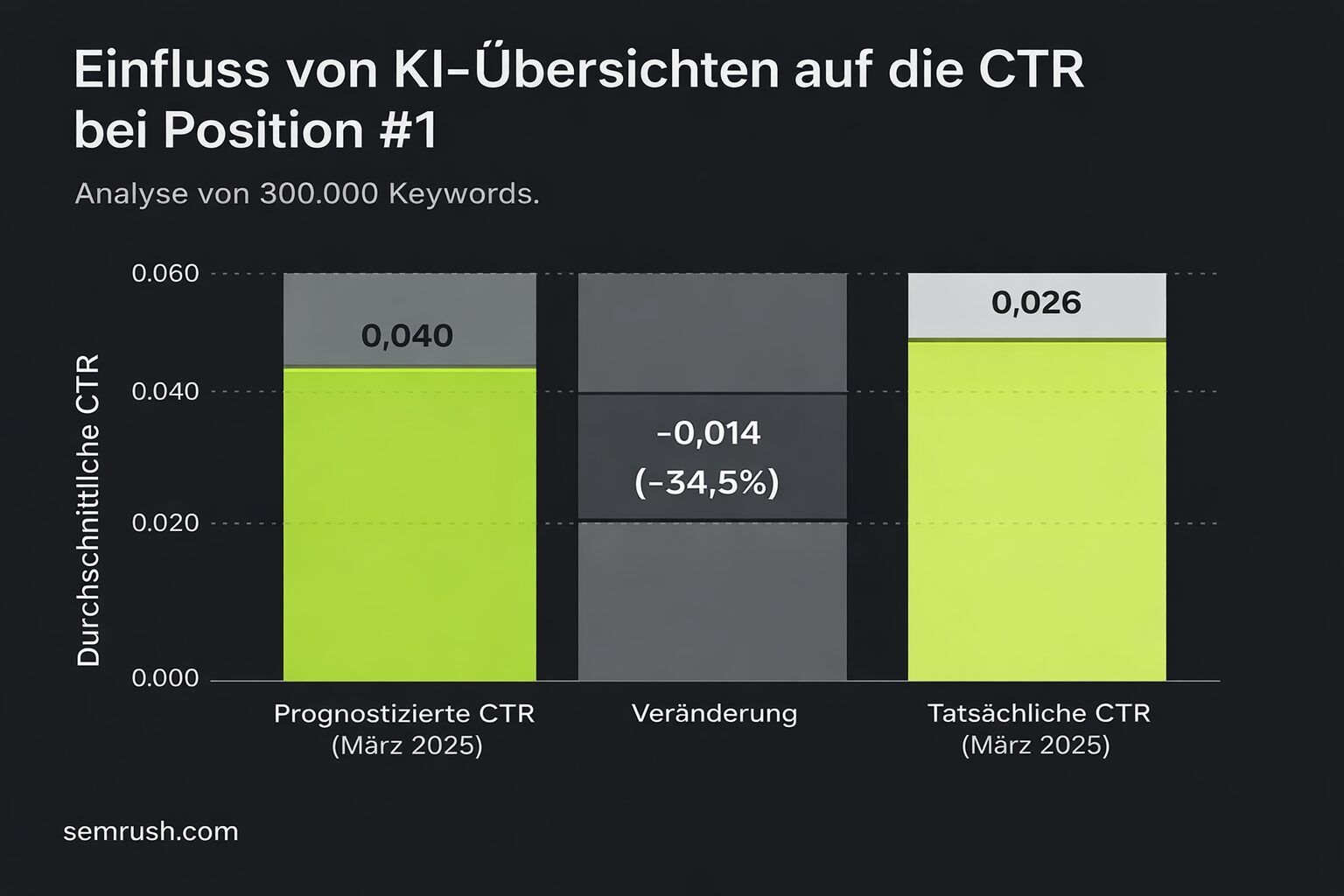
When AI overviews appear, clicks on the classic result in position 1 fall by around 34.5%. You compensate by earning citations inside the overview, raising your CTR with stronger titles and answering faster and more clearly. (Search Engine Land)
32. Dwell time, bounce rate and click-through rate
CTR is how often searchers click your result; bounce rate is how many leave without any further action; dwell time is how long they stay before returning to the SERP. Google does not use your Google Analytics data for ranking, but these signals are useful proxies for whether you satisfied the intent, and pages that satisfy the intent win more links and better positions over time.
- Treat CTR as a snippet quality KPI. Sharpen titles and meta descriptions, align them with the page’s actual promise and keep the same language from SERP to headline to first paragraph.
- Put bounces in context. A quick answer can be a “good bounce”. You recognise bad bounces by pogo-sticking (users jumping back to the SERP) and low scroll distance, so improve those pages first.
- Extend dwell time by putting value up front, adding scannable steps and suggesting a clear “next page” at the end.
33. Improve UX in order to lift SEO performance
Users skim. Build for skimming, and reward those who go deeper. Remove friction first (speed, readability, stability), then make decisions effortless.
- Speed: pass Core Web Vitals, keep JS lean and lazy-load content below the fold.
- Layout: larger line height and headings, generous white space and predictable navigation with breadcrumbs.
- Comprehension: use checklists, tables and short numbered steps in order to reduce pogo-sticking.
- Trust criteria: show authorship, dates and updates, sources and short summaries under each H2, so that readers know they are in the right place.
- The next click: add an inline CTA to the most relevant guide, tool or comparison; users should not have to search for it.
34. Why engagement metrics matter in 2025
Engagement reflects usefulness. Useful pages get shared, attract links and trigger branded searches, which is the compounding loop you want. Think of these metrics as signposts, not ranking levers: they show where your content delights or disappoints.
- Use GSC to find searches with many impressions and a low CTR (rewrite titles and intros) as well as pages with impressions but weak positions (strengthen the coverage or the internal links).
- Track scroll depth and key actions (copying, downloading, expanding, playing) in order to spot drop-offs.
- Refresh your winning pages regularly: more current examples, clearer steps and a stronger “what next”, so that value, and engagement, keep rising.
Which SEO tools are the most useful?
You do not need every tool. Pick one reliable suite for research and auditing, add Search Console as your first-party truth and keep the tech stack lean.
Semrush’s 2025 research footprint is large (for example 10M+ keywords analysed for AI overviews; 200K+ tracked for zero-click trends), and the platform added AI visibility tracking this year. Ahrefs runs one of the largest link data sets on the web (for example around 35T external backlink records). (Semrush)
The best free tools for beginners and professionals
- Google Search Console (GSC)
- PageSpeed Insights & Lighthouse
- Bing Webmaster Tools
- Google Trends
- Looker Studio (formerly Data Studio)
- Google Tag Manager
- AlsoAsked / People Also Ask Scraper
- Keyword Surfer / SEO Minion / SEO Meta 1-Click (Chrome)
- Screaming Frog (free up to 500 URLs)
Recommended paid tools for deeper insight
- Semrush: an all-in-one suite for keywords, technical audits, content briefs, rank tracking and AI visibility tracking. (2025 investor updates show strong product momentum.)
- Ahrefs: an industry-leading backlink index, content gap analysis, keyword discovery and site audits.
- Screaming Frog (full) / Sitebulb: deep crawls, JavaScript rendering, change tracking and audit diffs.
- Surfer / Clearscope: content scoring against the top results; outline and entity suggestions.
- Majestic / OnCrawl / Ryte: specialised link graph views or crawling and QA at enterprise scale.
Integrating tools such as Google Search Console, Ahrefs, Semrush and others
- Use GSC as the authoritative truth (queries, CTR, indexing), then layer Semrush/Ahrefs on top for competitive gaps and link opportunities.
- Pipe issues into your PM tool (Jira/Asana/Trello): assign owners, set due dates, record acceptance criteria.
- Re-crawl after fixes (Screaming Frog/Sitebulb) and watch GSC trends in order to validate the wins.
- Document decisions (why we changed titles, merged pages or redirected), so that future refreshes stay consistent.
How do I rank in local search results?
Local SEO = correct business data, visible reviews and content that shows you serve real people on the ground. Keep your NAP consistent everywhere.
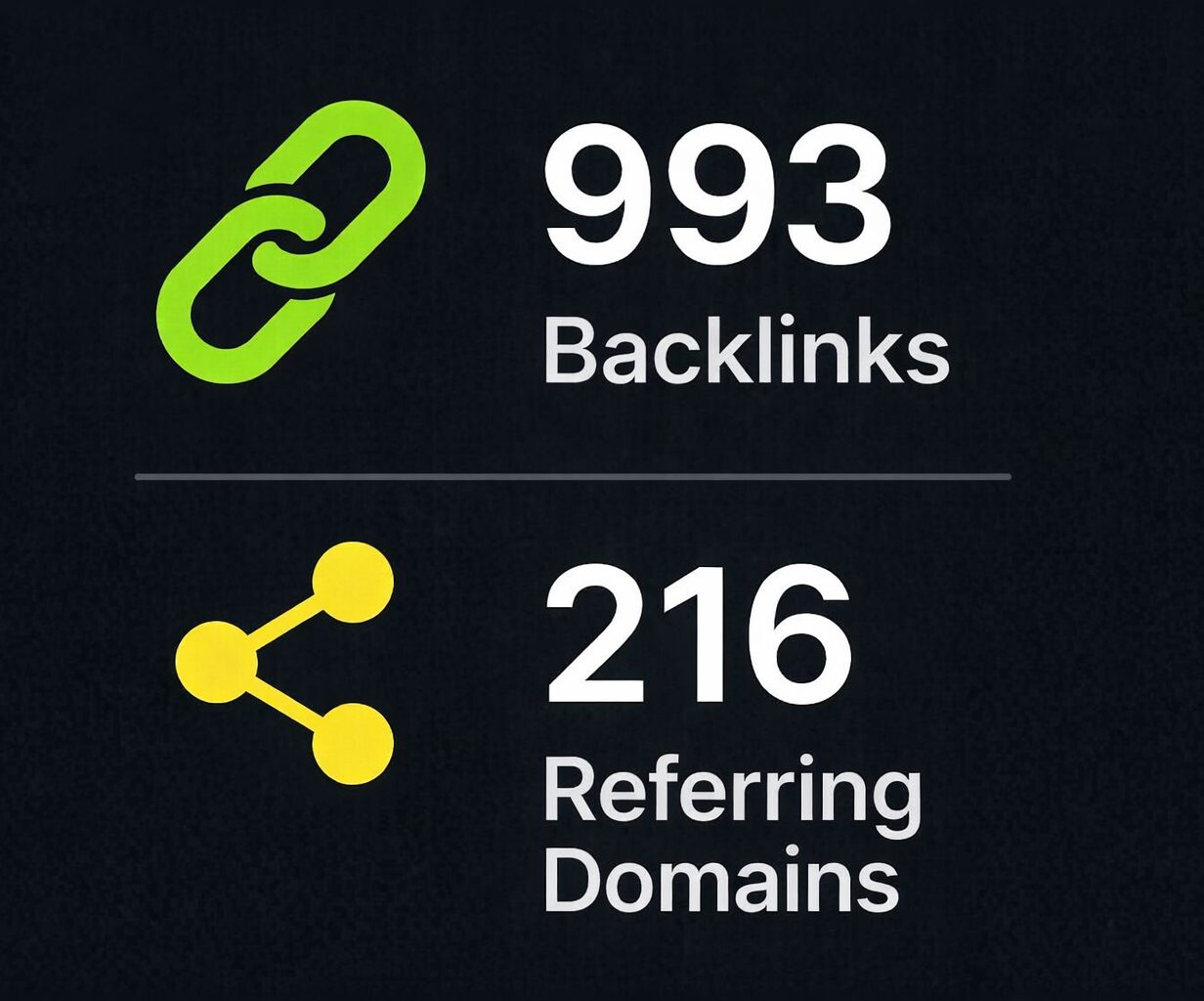
Businesses in the local pack have 993 backlinks and 216 referring domains on average. (Semrush)
35. Optimise your Google Business Profile
Your Google Business Profile (GBP) is the front door to local visibility. Fill in all the fields, choose fitting categories and services, and keep it active, so that Google (and customers) see a living business.
- Add real photos (exterior, interior, team, products) and short videos.
- Post updates (offers, events, new hours) and answer Q&A quickly.
- Set opening hours, holiday exceptions and attributes (parking, accessibility).
- Use UTM on the website link in order to track GBP traffic in your analytics.
36. Local directory listings and NAP consistency
Citations are mentions of your name, address and phone number in directories. Consistency builds trust; inconsistency confuses users and crawlers.
- Standardise your NAP format and roll it out to the major directories (Maps, Apple, Bing, Yelp, local chambers and associations).
- Clean up duplicates and suppress incorrect entries; maintain one canonical listing per location.
- Match your website’s footer and contact page to the same NAP and embed a map on important pages.
37. Winning reviews and managing reputation
Reviews influence clicks and conversions. Ask at the right moment and reply like a human.
- Ask for reviews after positive touchpoints (a collection, a successful appointment, a resolved ticket).
- Respond specifically to every review; weave in natural keywords (service plus city) discreetly.
- Triage negatives: acknowledge, resolve the details offline and follow up with the changes made.
- Display top reviews on service and location pages in order to strengthen trust.
38. Create location-based content
Show that you serve real people in a real place. Build pages that answer practical local questions.
- Create city and area pages with useful information (parking, time frames, price ranges, service area), local case studies and event recaps.
- Add schema (LocalBusiness, FAQPage, HowTo, where relevant) and link these pages from service hubs and the footer.
- Include neighbourhood and district terms and landmarks naturally; highlight partnerships with local groups or venues.
- Update content seasonally (festivals, weather-dependent services) and add new photos from recent work.
Which basic SEO requirements does every website need?
Four pillars: mobile, speed, security and indexability. No trick replaces these.
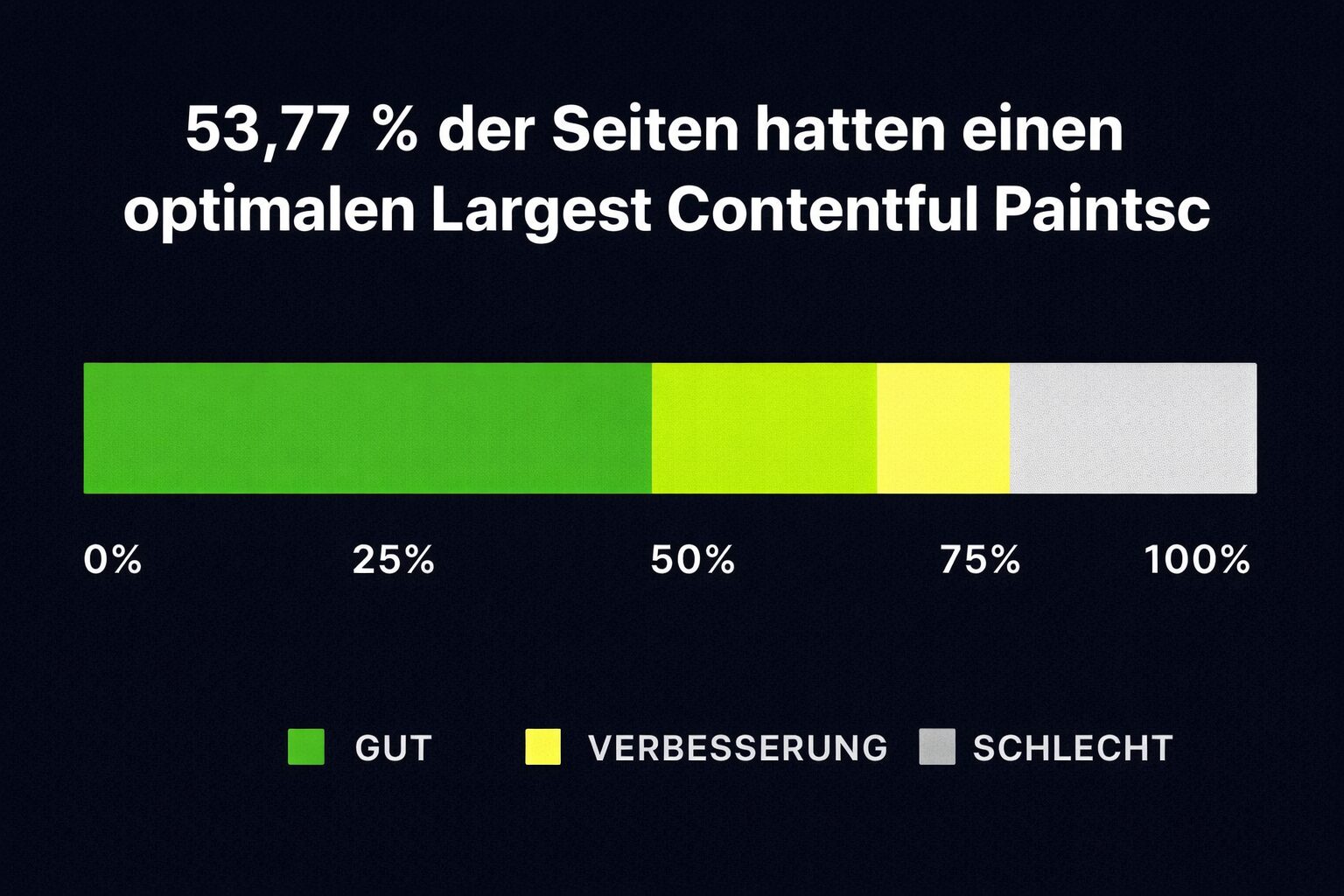
53.77% of websites achieve a “good” Largest Contentful Paint (LCP) rating, according to a Backlinko analysis of 208,085 pages (April 2025). (Backlinko)
39. Best practices for mobile optimisation
Mobile is the default, so design there first. Deliver a fast, uncluttered page with clear typography and easily tappable elements, and check it on real devices (not only emulators). Keep layouts stable while content loads, so that nobody loses their place.
- Use a responsive layout and responsive images (srcset, sizes), so that phones do not load desktop assets.
- Keep tap targets large and generously spaced; set a comfortable line length and font size.
- Prevent layout shift: define image dimensions, avoid late-loading banners and lazy-load media below the fold.
- Test on different devices and connections; watch Core Web Vitals (above all INP/LCP/CLS) and fix the slowest interactions first.
40. Secure your website with HTTPS
Security is mandatory. HTTPS protects users, removes off-putting browser warnings and remains a standard quality criterion.
- Force a global 301 redirect from HTTP to HTTPS and set HSTS in order to lock it in.
- Fix mixed content (HTTP images or scripts on HTTPS pages).
- Renew certificates automatically (for example Let’s Encrypt) and monitor expiry.
- Update canonicals, sitemaps and internal links, so that all signals point to the HTTPS URL.
41. Make your website indexable and error-free
If crawlers cannot reach your pages or do not trust them, nothing else counts. Keep the path clear and the signals consistent.
- Check robots.txt and noindex tags; block only what genuinely should not be indexed.
- Maintain clean canonicals; avoid duplicate variants and long redirect chains.
- Submit and update XML sitemaps in Search Console; fix 4xx/5xx and orphan pages after rebuilds.
- Watch the Pages/Indexing reports in GSC in order to spot soft 404s, server hiccups or accidental blocks early.
Ready for more revenue?
Book a free SEO and GEO audit

Find out in a free call how much revenue your website is leaving on the table, with no obligation and no agency waffle.