


Everything at a glance
- Start with search intent. Define what readers want, outline the key questions and structure your answers around them.
- Focus on the topic, not the word count. Aim for complete, useful coverage with natural keyword variants.
- Make the click easy. Write clear, honest titles and meta descriptions that match the promise of the page.
- Master the fundamentals. Clear headings, strong internal links, a scannable format, fast mobile performance.
- Use tools as guardrails. Let them check coverage and clarity, but do not let a score steer the content.
- Iterate to win. Refresh titles and intros, add internal and outbound links where they help, validate schema and keep improving.
Your content does not need more words, it needs clearer answers. Search does not reward the longest article; it rewards the page that solves the reader’s problem with the least friction. If you have ever stared at a blank document wondering how to “write for SEO” without sounding robotic, you are in the right place.
This guide gives you a repeatable process for planning around search intent, mapping the right subtopics and writing clear, human copy that earns clicks. You will learn how to choose a focus keyword without stuffing, structure headings sensibly, write titles and metadata that attract the right traffic, and use tools as checkpoints rather than crutches. I keep it practical, with examples, templates and a simple checklist you can use before publishing.
Whether you are a small business owner doing your own marketing, a blogger aiming for steady growth or a developer who wants content that actually ranks, you will come away with a page you can be proud of: it reads well, loads fast and matches how people search. Ready? Let us turn your topic into a page that wins.
What does writing SEO copy really involve?
Writing SEO copy means creating content that answers users’ search intent and is built so search engines can easily understand and evaluate it. It is about combining readability for people with optimisation for keywords, topics and trust signals.
You are writing for two audiences at once: people and search engines. Your job is to answer the search intent clearly, structure the page so Google understands it, and create enough trust signals to win the click.
Why this matters now: in March 2025, 27.2% of Google searches in the US ended without a click (up from 24.4% a year earlier), and the share of searches that lead to an organic click fell. So your page has to earn the click with clarity, relevance and convincing metadata. (searchengineland)
What is SEO copy, and how does it differ from ordinary web content?
“SEO copy” is not a magic formula. It is simply helpful content aligned to what searchers need, then formatted so search engines (and now AI features) can parse it. That means:
- Begin with search intent (what the person wanted to do or learn).
- Cover the subtopics people expect to find on that page.
- Make it readable, scannable and accurate, because quality creates trust and links.
If you are thinking “so… just write a great article?”, then yes, but with deliberate structure (headings, internal links, metadata) and on-page signals that make it easy for Google to match your page to the query. (Good explanatory walkthroughs here and here.)
What makes high-quality SEO copy, and what should you know before you write?
Quality SEO writing is not keyword stuffing, it is about topic coverage and clarity. You build authority by answering the full question better than everyone else.
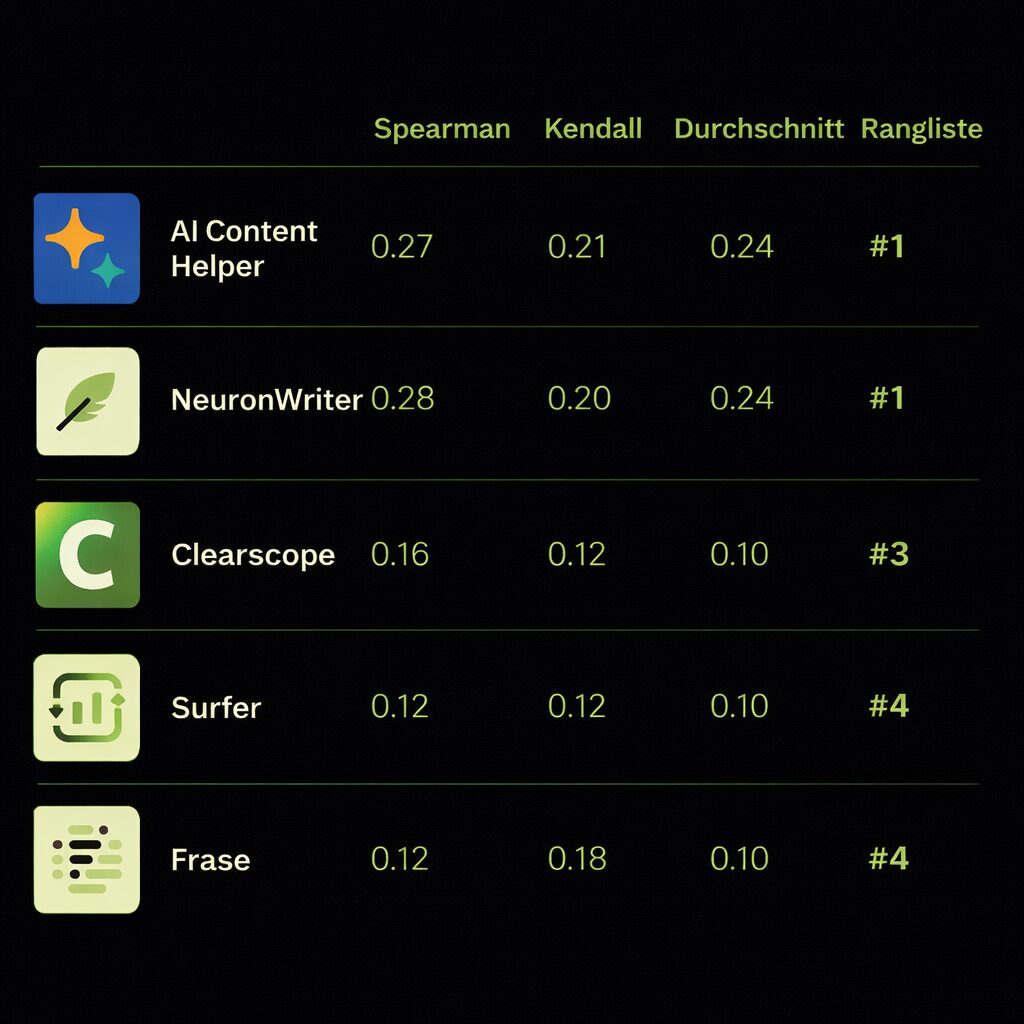
An Ahrefs study (May 2025) found only weak correlations between “content scores” and rankings. Checklists are not magic; useful coverage and intent fit count for more. Also in 2025, Google said links “count less than they used to”: still important, but not everything. (Ahrefs)
The content should be unique, valuable and engaging
Bring something only you can add: a fresh perspective, a simple framework, a short case note or a clear example that removes guesswork. Unique does not mean reinventing the topic; it means contributing specific, lived details that others have not provided.
- Lead with a clear promise and deliver on it quickly.
- Add one original element per section (an example, a checklist, a diagram, a practical tip).
- Front-load the core statements; keep intros short and relevant.
- Use clear, conversational sentences; skip filler and buzzwords.
Topical relevance matters more than keyword stuffing
Cover what a complete answer requires: definitions, steps, pitfalls, examples and quick FAQs. Use natural variants and related entities; let headings carry meaning.
- Before drafting, write a one-line intent statement (“a beginner wants to learn X”).
- Outline the expected subtopics and turn them into H2s and H3s.
- Use the primary phrase sparingly (H1, one or two subheads, early body, conclusion).
- Weave in synonyms and related terms naturally; avoid mechanical repetition.
Good writing creates trust and earns backlinks
Clear structure and accurate facts reduce pogo-sticking and make your page citable. Links still help, but they follow credibility, not the other way round.
- Use descriptive headings and short paragraphs for people who skim.
- Back up important claims with reputable sources and transparent reasoning.
- Add your own visuals (tables, diagrams, screenshots) that others want to reference.
- Use descriptive anchor text for internal and external links.
Good SEO writing takes time, practice and refinement
Expect several passes. First for ideas, then for structure and coverage, finally for polish. Length follows clarity, never the other way round.
- Draft, then a structure pass, then a polish pass (read it aloud to find friction).
- Cut 10 to 15% of filler per edit; tighten verbs, split long sentences.
- Keep a version log and update dates when you add real value.
- Treat optimisation tools as coverage checks, not as score targets.
Writers are responsible for clarity and accuracy
You decide how readers understand the topic, and whether they can trust it. Be inclusive, precise and careful with sources.
- Define terms on first use; avoid insider jargon where a simple word will do.
- Use inclusive, neutral phrasing; pay attention to accessibility (alt text, heading order, contrast).
- Fact-check statistics and statements; cite current, reliable sources.
- Note uncertainty or limits where the evidence is weak; do not spread myths.
How do you write SEO copy properly?
Not every topic needs 2,000 words. The aim is to fulfil the intent completely and clearly, and only then polish for search. Think: deliver what the reader came for, structure it so it can be scanned, and only after that align titles, metadata and links.
Surfer’s 2025 research showed that word count no longer correlates with rankings, while term usage and topic coverage gained significantly in importance (overall score-to-ranking correlation around 0.284). Translation: length is not a strategy, coverage is. (Surfer SEO)
How long should an SEO text be?
There is no magic number. Length follows purpose: if the query is simple, keep it short; if the problem is complex, go deeper. Use the current SERP as a reality check and go for information density rather than padding.
- Scan the top results to gauge depth and format.
- Let search intent determine the scope, not habit.
- Prefer concise, valuable paragraphs over word count targets.
- Match the format to the task (short answer versus how-to versus comparison).
What should the focus keyword or main topic be?
Choose one primary intent and align the whole page to it. Your primary keyword is just the common phrasing of that intent; secondary terms help you plan sections rather than stuff sentences.
- Write a one-line job-to-be-done before you draft.
- Pick a handful of secondary queries to shape your H2s and H3s.
- Park off-topic ideas for their own pages.
- Keep the page coherent around one clear promise.
Do I have to use keywords exactly as people search for them?
No. Natural language wins. Use synonyms, close variants and related entities so the text flows without losing meaning. If an exact phrase sounds clumsy, rewrite it and preserve the intent.
- Place the primary phrase where it creates clarity: title and H1, early intro, one subheading and the conclusion.
- Use variations in the body copy instead of repetition.
- Prefer human phrasing over rigid exact matches.
- Stay true to your brand tone, even when optimising.
How important are readability and structure in SEO writing?
Very important. Structure is how people and crawlers understand your page. Aim for scannable sections that still read fluently, especially on mobile.
- Let every heading answer a concrete sub-question.
- Keep paragraphs short and vary your sentences.
- Use plain language and define terms on first use.
- Maintain a clean hierarchy (H1, then H2, then H3) without skipping levels.
Write first, optimise second
Write the helpful version before you open a tool. Then refine in short, focused passes so the natural voice survives and the page does not get overloaded with checklists.
- Pass 1: coverage. Have you met the intent and the expected subtopics?
- Pass 2: clarity. Cut filler, add examples, tighten verbs.
- Pass 3: on-page polish. Titles, metadata, internal links, alt text and schema.
- Final read-aloud test: if you stumble, readers will stumble too.
What are the concrete steps for creating SEO-optimised content?
There is no silver bullet. You still have to research, structure, write and edit. This framework just takes the guesswork out, so you deliver faster and better.
At a glance: define, research, structure, write, revise, check, publish
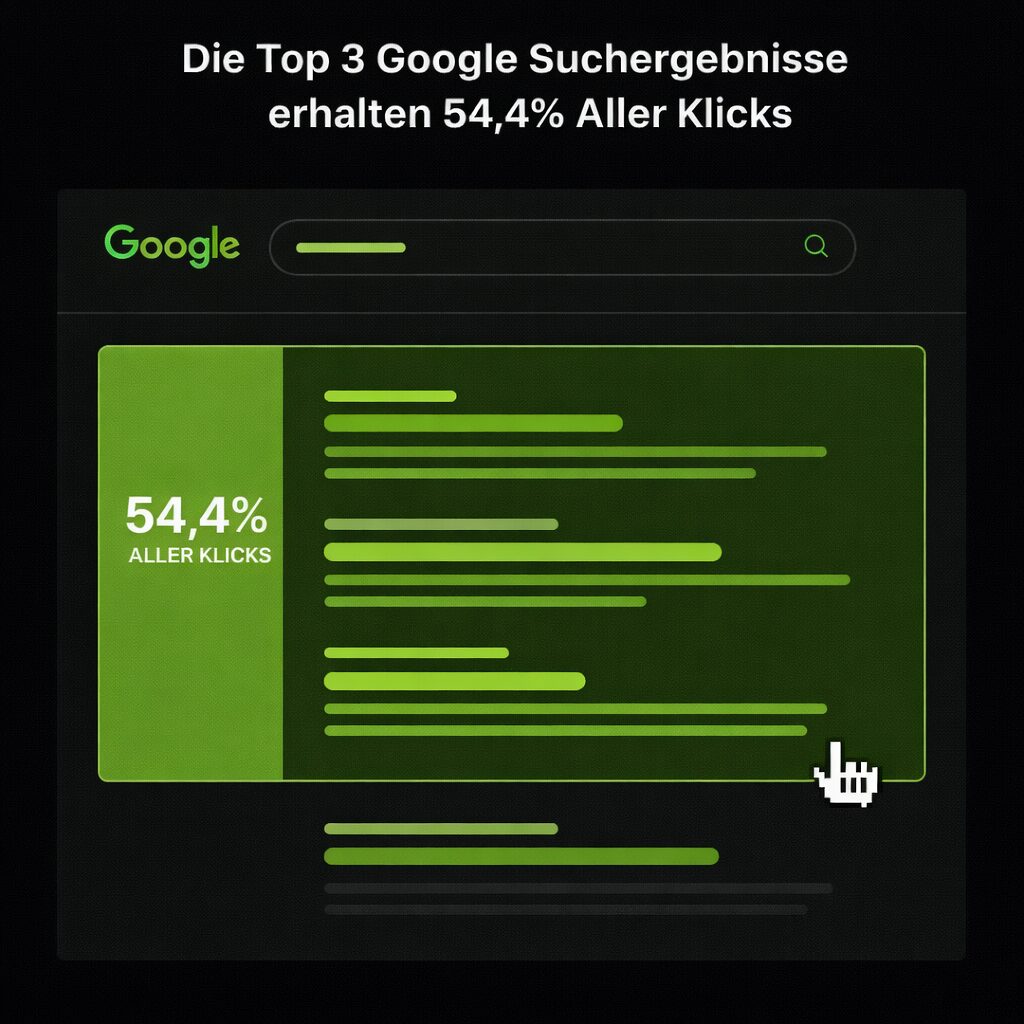
The top three Google results receive around 54.4% of all clicks, and moving up by just one position raises CTR by around 2.8% on average. Every improvement in clarity and precision compounds. (Backlinko)
Step 1: define user intent and purpose
Start with a clear job-to-be-done. Decide the page type (guide, checklist, comparison, template) and set the promise your H1 will make, and keep.
- Write a one-line goal for the reader.
- Name your primary intent (learn, compare, buy, navigate).
- Note the key action after reading (the CTA).
Step 2: thorough keyword and topic research
Use the SERP to see how real people start the journey. Autocomplete, “People Also Ask” and related searches reveal language and level of knowledge. Tools help you go deeper; forums show pain points in plain words.
- List the primary query and 5 to 10 subtopics people expect.
- Scan the top results to identify format, depth and gaps.
- Check tools (for example Keywords Explorer, Keyword Magic) for variants.
- Use Google searches such as inurl:forum + <topic> to find real questions.
Step 3: create a logical outline and structure
Your outline is the guardrail that keeps you from wandering off and helps crawlers understand the page. One idea per section, in the order a beginner needs it.
- Turn subtopics into H2s and H3s that answer concrete questions.
- Maintain a clean hierarchy (H1, then H2, then H3) without skipping levels.
- Add a short two-line summary under large H2s to manage expectations.
- Reserve off-topic ideas for their own pages to avoid dilution.
Step 4: write naturally, with SEO in mind
Write like a human expert explaining it to a smart friend. Define terms on first use and demonstrate rather than posture.
- Start with the answer; cut long run-ups.
- Prefer verbs to nominalisations (“decide” rather than “make a decision”).
- Use examples and small practical notes to make points concrete.
- Keep paragraphs short and easy to read on mobile.
Step 5: revise with SEO tools and readability in focus
Open your optimiser after the draft is done. Use it to check coverage and gaps, not to chase a perfect score.
- Compare your sections with the subtopics the SERP leads you to expect.
- Add missing entities and perspectives; delete repetition.
- Tighten by 10 to 15%: shorter sentences, stronger verbs, fewer buzzwords.
- Preserve your brand voice; do not let “green lights” sand it smooth.
The Ahrefs study from May 2025: content scores show only weak correlations with rankings, so use them as a sanity check, not as a finish line. (Ahrefs)
Example 1: avoid complicated language
| Before | After |
|---|---|
| “Optimization necessitates a comprehensive elucidation of semantic entities.” | “Cover the main subtopics people expect. Use common terms.” |
Example 2: cut filler
| Before | After |
|---|---|
| “In this day and age, it is important to consider that…” | “Do this next: map the subtopics, then draft.” |
Example 3: polish punctuation and grammar
| Before | After |
|---|---|
| “Map the subtopics, draft the sections, review the coverage, and publish the final version.” | “Map the subtopics. Draft the sections. Review the coverage. Publish the final version.” |
Step 6: proofread for spelling, grammar and tone
This is where a good draft becomes a trustworthy page. Treat proofreading as a quality gate, not a courtesy pass.
- Fix typos and grammar; standardise terminology.
- Swap passive for active where it improves clarity.
- Look for overused words and replace or delete them.
- Make the important parts scannable with smart formatting.
Step 7: write SEO headlines that attract clicks
Your title and H1 set the promise; your meta description previews the value. Accuracy beats clickbait, every time.
- Put the most important words at the very front of the title.
- Combine a benefit with a qualifier (for example “step-by-step guide”, “checklist”).
- Keep titles concise; avoid duplicate titles on similar pages.
- Align H1, title, intro and CTA so the page keeps what it promises.
Which tools can support the creation of SEO content?
- Research: Ahrefs, Semrush
- On-page coverage: Surfer, Clearscope, Ahrefs AI Content Helper (use as guardrails, not as gospel)
- Editing: Grammarly, Hemingway
- Publishing QA: Yoast or RankMath (WordPress), Screaming Frog for quick QA crawls
How do you integrate SEO copy effectively into your website?
Place content where it helps users and rankings: well linked, fast, mobile-friendly and visually supported.
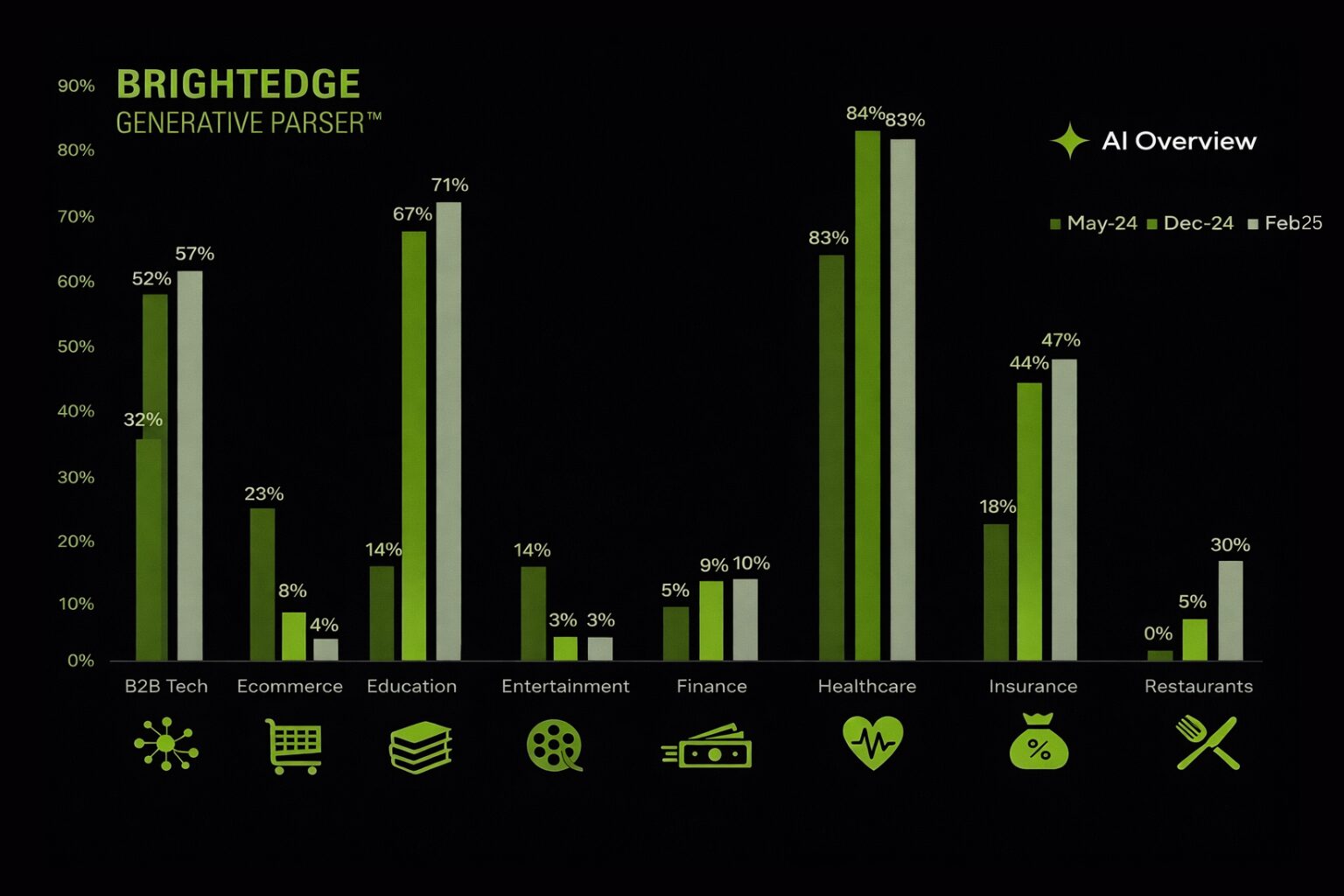
BrightEdge reports that AI Overviews appear in fewer than 15% of queries for logged-in US users; classic web pages and SERP results still do most of the work. Do not neglect fundamentals such as internal links, media and mobile UX. (BrightEdge)
Use internal links strategically
Add 3 to 5 contextual links from relevant pages to your new guide with descriptive anchor text (“SEO writing checklist”, not “click here”). This helps discovery, passes authority and leads readers deeper. (See current best-practice primers.) (Backlinko)
Add graphics, videos and other media for better UX
Short explainer videos, simple diagrams or annotated screenshots can double the “aha rate”, and give you assets that earn embeds and links.
Optimise for mobile and page speed
INP has replaced FID as a Core Web Vitals metric, so your page should feel responsive on tap. Compress images, lazy-load below the fold and avoid heavy third-party scripts.
Align text placement with user flow and design
Put your “answer” high up. Use a sticky table of contents, clear headings and scannable blocks so visitors (and AI features) can extract answers quickly.
Why does metadata matter for SEO copy?
Metadata earns you the click. Titles and descriptions are your ad copy in organic search, and structured data makes you eligible for rich results.
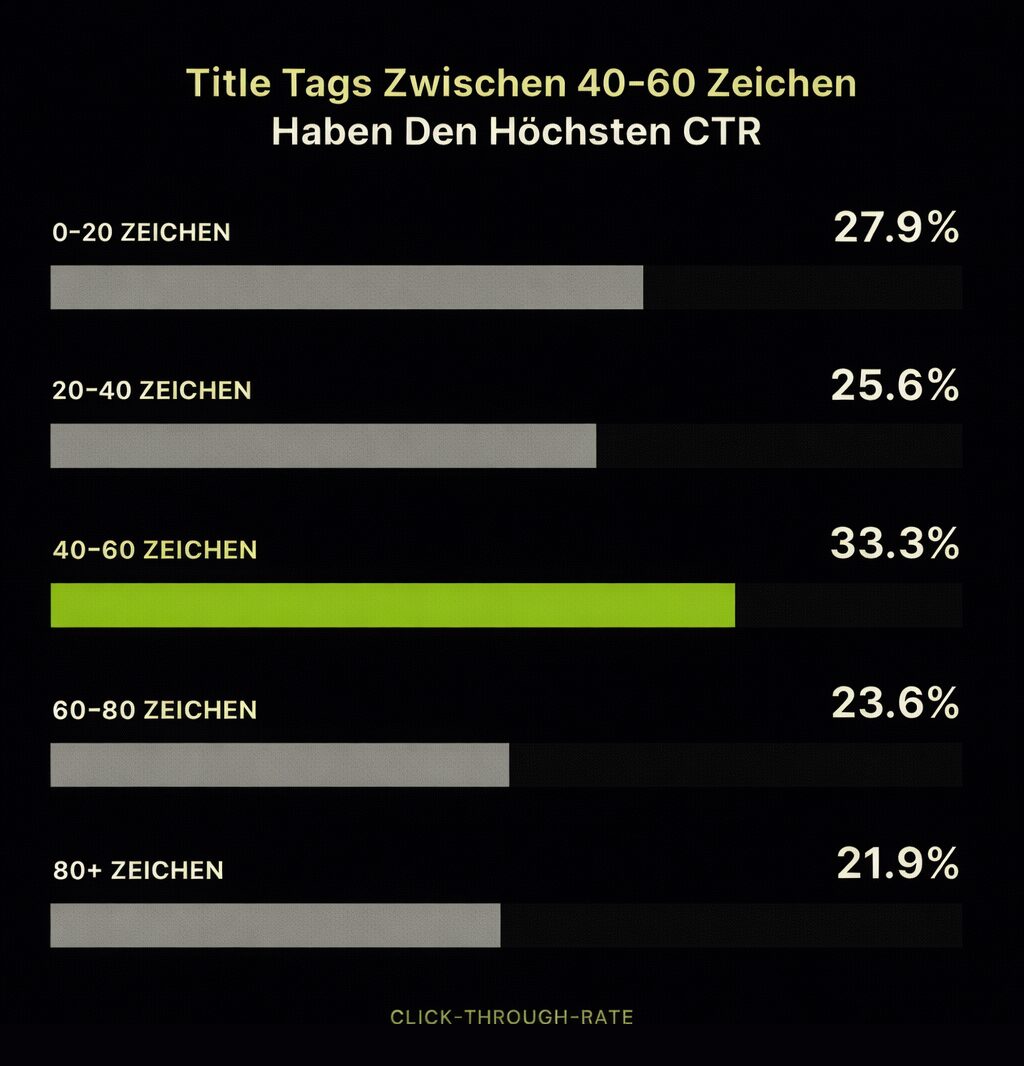
Backlinko’s 2025 study shows that titles of 40 to 60 characters deliver around 33% higher CTR. A case study also showed that mixing “date published” and “date updated” can mislead Google and reduce CTR by around 22%, so format dates cleanly. (Backlinko)
How to write convincing title tags and meta descriptions
- Title: start with the benefit (“Write SEO copy that ranks well”), then the qualifier (“step-by-step guide”). Stay around 40 to 60 characters.
- Meta description: one or two crisp lines that tease your value (“Learn a simple 7-step process, a checklist and examples so you can publish SEO-ready content today.”).
- Avoid keyword stuffing: use one primary phrase naturally.
Should you use schema markup for your content?
Yes, use schema where it fits the page, and validate it. For blogs and guides, Article or BlogPosting is the standard; mark up only visible content, keep the JSON-LD minimal and align datePublished and dateModified with what users see. Stick to supported types (FAQ and HowTo are restricted or discontinued in many cases).
Note: in June 2025 Google discontinued several rich result types; focus on supported types and keep your markup clean. (Search Engine Land)
How metadata influences CTR in search results
Metadata is your organic ad placement. Write concise, accurate titles (roughly 40 to 60 characters) and honest descriptions that match the page. Clean dates and valid schema can unlock richer snippets and trust, while mismatched or outdated markup achieves little.
Where rich results apply, you can win more surface area and engagement, which is another reason to keep schema up to date. (General schema primers here.) (Semrush)
What are the common questions and misconceptions about SEO copy?
Content is still the engine of organic growth, even in the AI age. Most “myths” come from over-focusing on a single factor.
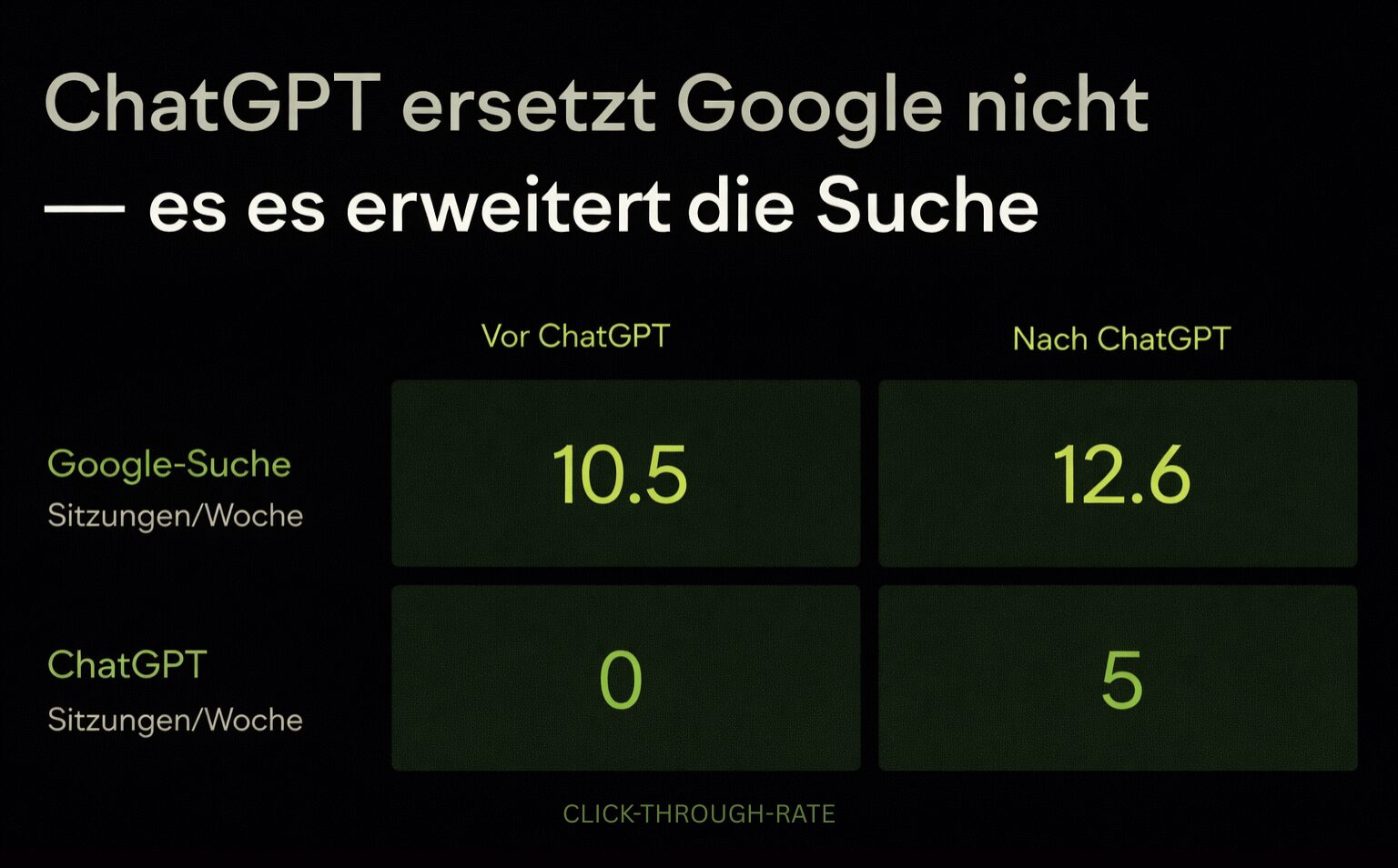
Despite the AI hype, search usage remains at roughly 95%, and heavy AI users often search more, not less. Your SEO copy is not optional; it is a central growth channel. (Search Engine Land)
Why do websites need written content at all?
Text conveys intent, context and expertise in a way that search engines and people understand. It makes relevance visible, drives snippets and internal linking, and makes images or videos findable and trustworthy. Without clear copy, algorithms and users struggle to understand what your page actually offers.
Can I optimise my existing copy for SEO later?
Yes, provided the content already matches the search intent. Start with pages that get impressions but underperform on clicks, or that sit on page two. Tighten titles and H1s, fill obvious topic gaps, strengthen internal links, and update the intro and the date only when you add real value. If the intent does not match, rebuild the page rather than tinkering at the edges.
Can SEO copy be visually hidden on the website?
Avoid hiding your primary answer. Collapsible sections help on mobile, but the core information should be visible without a tap. Keep text readable with proper contrast and size; low opacity or hidden placement does not create trust and can be judged as misleading.
Does repeating keywords across the whole website really help?
Repetition is weaker than topic coverage and natural variation. Become the best resource on a topic by assigning each URL a single intent and covering the expected subtopics. Use synonyms and related entities in natural language instead of forced exact matches.
Why are a clear structure and hierarchy so important in copy?
Structure is how people and crawlers understand a page. Lead with the core statement, then layer in detail and background so a skim reader can follow the logic in seconds. A clean H1, H2, H3 hierarchy and short, well-paced paragraphs make comprehension easier and lower the bounce rate.
Which trends will shape the future of SEO content?
- AI Overviews keep expanding (around 13.14% of queries in March 2025, predominantly informational). Build pages that deserve to be cited. (Semrush)
- Google rewrites titles more often than before (reports suggest around 76% in early 2025), so write aligned, accurate titles to avoid rewrites. (Search Atlas – Advanced SEO Software)
- Links still count, but less than they used to; focus on authority through helpful content and smart internal linking.
Do I need category page copy, even if big brands do not use it?
If category pages are important entry points and your brand is not (yet) a household name, concise copy helps people decide and navigate. Explain the scope of the category, set expectations and guide visitors to subcategories or filters. As your authority grows you can test leaner variants, but most sites benefit from clear, helpful category copy.
What is a quick win to improve your SEO copy today?
Rework your title to 40 to 60 characters and align it with the real promise of the page. If you are targeting a niche, choose a long-tail angle (those queries get around 1.76 times more clicks when you are in position 1). Then add 3 to 5 internal links pointing to the page with descriptive anchors. (Backlinko)
Use this checklist before publishing
- Does the H1 clearly match the search intent?
- Do the H2s and H3s cover the expected subtopics?
- Is the title around 40 to 60 characters and accurate?
- Have you set 3 to 5 internal links to and from related pages?
- Is the intro clear and free of filler?
- Have you defined essential terms in plain English?
- Are images compressed and lazy-loaded? (This helps INP and LCP.)
- Is the schema valid (Article, FAQ, HowTo) and up to date?
Bonus: quick formatting tips for immediate results
- Break up walls of text.
- Front-load benefits in headings.
- Use short, specific link anchors (“SEO writing checklist”, not “read more”).
Ready for more revenue?
Book a free SEO and GEO audit

Find out in a free call how much revenue your website is leaving on the table, with no obligation and no agency waffle.